Get Full Government Meeting Transcripts, Videos, & Alerts Forever!
Get email alerts on the Open Government topic
No spam. Unsubscribe anytime.
Legal counsel briefs Palos Verdes Peninsula Unified board on Brown Act, social media and public‑records rules
Summary
District counsel delivered a Brown Act and Public Records Act briefing Sept. 18, warning trustees about serial communications, social‑media replies among members, and the need to make agenda materials public; trustees asked for a slide update to reflect the Supreme Court's guidance on official accounts.
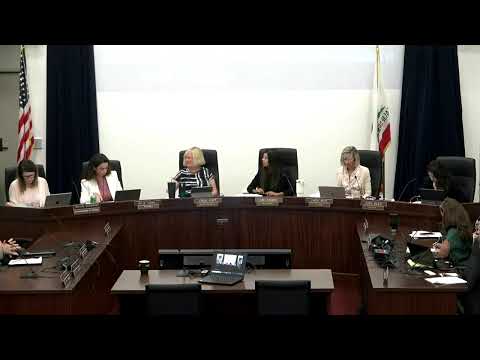
At a Sept. 18 special meeting, legal counsel for the Palos Verdes Peninsula Unified Board of Education gave trustees a detailed briefing on the Brown Act and California public‑records rules, emphasizing transparency, the limits on off‑calendar communications among board members and new guidance on social media.
Presenter (legal counsel) told the board that the Brown Act’s central purpose is public transparency. "The heart of the Brown Act is the making sure that the public knows what its elected officials are going to be, considering doing before they do it," the presenter said, urging trustees to treat agenda notices and packet materials as the primary way the public learns about impending decisions.
The presenter reviewed core definitions and common traps: a "meeting" under the Brown Act occurs when a majority of members congregates to deliberate on district business (including some workshops and tours), and ad hoc advisory groups can fall under the law if they are formed by the board. The attorney warned that sequential one‑to‑one discussions or broad reply‑all email chains can create a prohibited "serial meeting" that effectively builds consensus outside a public session.
On social media, the presenter said the statutes and case law now give clearer limits on trustee behavior. Trustees may engage separately online to provide information to constituents, but the Brown Act bars a majority from using social platforms to discuss district business among themselves — including direct replies and reaction icons — when those communications serve to form a collective position. The presenter described the Supreme Court's approach as fact‑specific: whether a page or account has taken on an "official" character will affect First Amendment analysis.
A trustee asked for a factual correction to the presentation. "I wanna make sure that we do replace this slide with the Supreme Court decision and not the Ninth Circuit," the trustee said; the presenter agreed to update the materials to reflect the higher‑court ruling and to make clear the additional element the Supreme Court emphasized, that an account must have taken on an official character and the speaker must be vested with authority to act on behalf of the agency.
The presenter also ran through meeting‑type distinctions and timing rules: regular meeting agendas should provide a fair, brief description of matters to be discussed; special‑meeting notices must limit the board to the specified business and are subject to different timing rules; and true emergency meetings require a shorter notice window. Counsel reminded trustees that, for executive‑level employment contracts, the Brown Act requires a prior oral summary of compensation before action.
On public records, counsel said the California PRA initially requires a response within 10 days (with limited extensions when justified) and noted that the California Supreme Court has held that communications about public business sent on private accounts may nonetheless be public records if used to conduct official business. Counsel recommended being transparent with requesters about realistic timelines for voluminous or redaction‑heavy requests.
Trustees asked practical questions about committee reporting, constituent meetings with individual trustees, remote participation rules ("just cause" and emergency exceptions) and handling high‑volume public‑records workloads. Counsel advised that committee reports by a trustee were best presented in open session and that staff briefs to trustees about background information are permissible so long as they do not communicate other trustees' positions.
The presenter concluded by urging prudence and documentation: when in doubt, use public meetings and clear agenda language so the public can observe and participate.
The presentation and supporting slides will be posted with the meeting materials and the presenter said he would send an updated slide deck reflecting the Supreme Court citation the trustee requested.