Lifetime Citizen Portal Access — AI Briefings, Alerts & Unlimited Follows
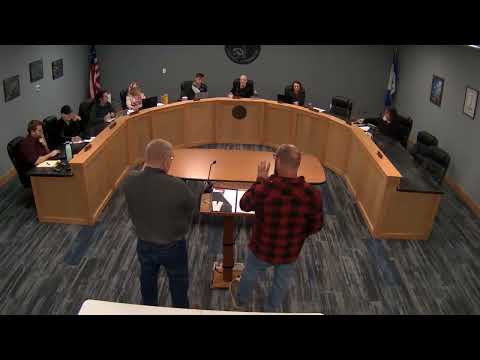
Council asks staff to review chicken ordinance after request for institutional flock
Loading...
Summary
A resident asked to keep an 18‑chicken educational flock; the planning consultant said current city code provides no mechanism to allow that institutional use and recommended the council consider amending the chicken ordinance. The council agreed to research model ordinances and leave the existing birds at the residence temporarily.
A resident requested permission for an institutional or educational flock of chickens tied to a school program. The planning consultant told the council the city's current animal/zoning code does not provide a mechanism—such as a conditional use permit or interim-use process—to authorize a nonresidential flock of that scale.
"Brad also stated that a variance or a CUP from the ordinance wouldn't be appropriate, and the city doesn't have the mechanism to do a special or interim use permit," the planning consultant told the council, and recommended denial under current code. The consultant suggested amending the animal ordinance definitions (for example, by revising city code section 90.3) to explicitly allow an educational flock and to avoid opening the rule to other types of poultry or livestock without careful limits.
Councilors discussed whether an institutional exception could be crafted (for schools, Head Start or private educational programs) and asked staff to research other municipal ordinances, including Rochester and St. Paul, for examples of educational-flock permitting. The applicant asked for guidance about what to do with the chickens already raised indoors; the council agreed to leave the birds at the residence temporarily and return the item to the next council meeting after staff and the planning consultant provide draft language or recommended mechanisms.
Why it matters: the request raises a code interpretation issue at the intersection of animal control and institutional education programs. The council signaled willingness to study ordinance amendments but did not adopt any immediate permitting change.
Next steps: staff and the planning consultant will compile sample ordinance language and enforcement approaches from other cities and return the item to a future council meeting for formal consideration.