Grant County detention center seeks staff and equipment funding as juvenile housing costs climb
Loading...
Summary
Detention‑center leaders reported staffing shortages, rising juvenile housing costs and new contractual obligations (including MAT services). The director asked the commission to consider personnel and equipment funding — including body cameras and transport tasers — to meet accreditation and safety requirements.
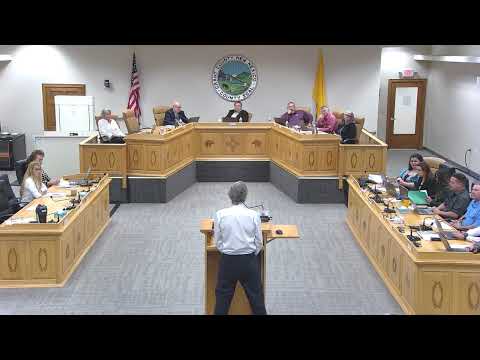
Grant County detention‑center leadership told commissioners on April 7 that the facility is under growing financial and staffing strain, driven in part by higher juvenile housing costs and new medical/treatment obligations.
The detention director reported four officer vacancies and an average daily population of 87 in March (65 males, 17 females reported in one daily count). He said the county’s juvenile housing expenses have risen sharply because state law requires juveniles be housed out of sight and sound of adults; the county currently budgets and pays for out‑of‑county placements at an elevated monthly cost.
“We’re over budget by about $375,000 this budget cycle,” the director said, and he described juvenile housing bills averaging about $40,000 a month in some months due to out‑of‑county placements.
To address liability and accreditation standards, detention leadership proposed adding personnel (a deputy warden, a captain and a records coordinator funded in part by a state RISE program allocation) and purchasing supervisory body cameras and transport tasers. The director said New Mexico counties’ benchmark studies counsel training, after‑action reporting and body‑camera use as risk‑reduction measures; he proposed a gradual rollout starting with supervisors.
Commissioners expressed both sympathy for the operational pressures and concern about cost. The chair urged that any body‑camera program include a plan for regular review and training so footage is used proactively for staff development and not simply stored. The director agreed, saying incident reporting and scheduled after‑action downloads would be linked to training plans.
The detention director also described investments in facilities and operations — a laundry project, shower renovations that required housing detainees in other facilities during construction, and purchases of PowerDMS and Power Policy Plus to support accreditation and training documentation.
What’s next: The detention‑center leadership will finalize budget figures for the FY2027 request and continue coordination with the commission on priorities and timing for equipment and personnel additions.