Lifetime Citizen Portal Access — AI Briefings, Alerts & Unlimited Follows
New Canaan board reviews management responses to CLA audit of procurement controls
Loading...
Summary
The New Canaan Board of Education heard management'responses to a CLA audit of procurement-to-pay controls and agreed to update purchasing procedures, formalize exception documentation, pilot shared vendor tracking, study a centralized contract module and strengthen AP workflow controls.
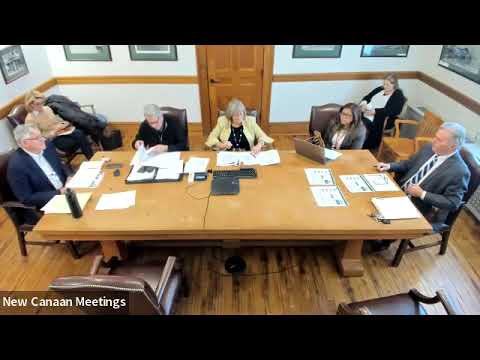
The New Canaan Board of Education on March reviewed management'responses to a CLA (Clifton, Larson & Allen) audit of the district's procurement and payment controls, with staff outlining actions and timelines to address audit recommendations.
Keith, director of finance and operations, told the board the district received a "satisfactory" rating overall and will update its purchasing manual and procedures, implement an exception form, pilot a shared vendor-performance tracking spreadsheet and evaluate centralized contract management software before moving forward on licensing.
Why it matters: Board members pressed for clearer documentation of approval thresholds, stronger segregation of duties in accounts payable and formal verification steps for vendor-bank-account changes — topics the auditors flagged as potential risk areas.
Management response and timelines: Keith said the district will update the purchasing manual to align procedures with system-enforced approval thresholds and that a bid-exception form is already in place and requires prior approval from both the budget director and the director of finance. "All purchasing exceptions are formally documented using the bid exception form and require prior approval from both the budget director and director finance operations before a requisition can be submitted in the system," he said.
On vendor oversight, staff described a shared tracking mechanism as an initial phase: a centralized spreadsheet to record vendor performance exceptions that could later feed into the Tyler vendor module or a TCM (contract management) module if the board approves additional licensing. "We're in the process of getting a quote" for the contract module, staff said; management will conduct a spring cost-benefit analysis before purchasing.
Accounts payable controls: Management outlined plans to implement system-based workflow approvals so checks cannot be printed before required approvals and to phase in ACH payments carefully. An AP coordinator has been assigned and a trained backup designated; staff projected some items could be implemented within 3 months and others (system or licensing changes) within 3'6 months depending on resources.
Board concerns and clarifications: Members sought explicit cross-references between high-level policy and detailed procedures and asked for an additional verifier on vendor-bank-account changes to reduce fraud risk. A board member noted growing sophistication of fraud schemes and urged phone verification and multiple points of confirmation for banking changes; staff agreed to consider additional verification controls.
Next steps: The board asked staff to convert audit responses into a checklist with target completion dates and to circulate periodic updates to the committee and full board. Management will follow up with CLA on outstanding items, complete the cost-benefit analysis for the TCM module in the spring and return with recommended implementation timelines.
Administrative action: At the start of the session the board approved the minutes of the Jan. 3, 2025 meeting by voice vote.
The meeting closed after board members thanked auditors and staff and scheduled follow-up updates.