Get Full Government Meeting Transcripts, Videos, & Alerts Forever!
Get email alerts on the Accessibility Snow Playgrounds topic
No spam. Unsubscribe anytime.
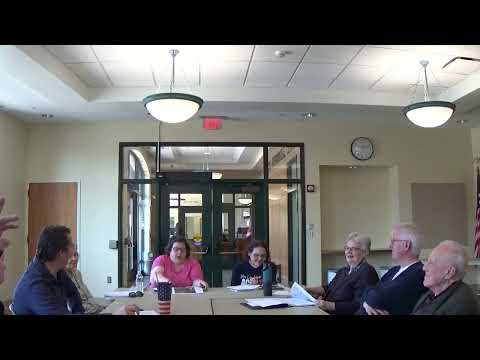
Gardner Disability Commission raises access concerns after state notice, presses city on snow clearing and park entrances
Summary
At its April meeting the Gardner City Disability Commission heard that Pulaski Playground drew a first notice from the state architectural access board and pressed public works on limited sidewalk and park access after heavy snow; members urged early inclusion in design and asked staff for extension and funding options.
The Gardner City Disability Commission on April 1 pressed city staff about limited sidewalk clearing, constrained snow-removal capacity and access to playgrounds after a state notice flagged Pulaski Playground.
Commission members and public works staff described constrained operations after successive storms, with the public works representative saying the city fields about 32 vehicles, hires contractors for sweeping and deploys four to five sidewalk tractors ‘‘when it’s not too long of a storm.’’ The representative added that frequent storms and limited manpower mean crews sometimes cannot finish sidewalks before a new storm arrives.
The real-world impact, commissioners said, can be significant for people who use mobility devices. A resident who spoke during public comment said Ablacase Park lacks walking access to playground equipment and suggested short stretches of blacktop at either gate to improve access, adding that the park draws ‘‘50 to 75 people every day’’ and that barriers keep some people away.
City staff told the commission they recently received ‘‘a first notice from the state architectural access board’’ for Pulaski Playground at the dog park and plan to request an extension. The staff member said many playground features were installed before modern accessibility standards and ‘‘we’re trying to catch up’’ but that ‘‘there’s no funding’’ for many fixes.
Members urged the city to involve the commission early in planning. The chair emphasized that lived experience provides practical solutions beyond merely checking compliance boxes and asked staff to share documentation (maps, spreadsheets or lists) of completed and outstanding accessibility work so the commission can help target priorities.
Commissioners and staff also discussed responsibility distinctions: downtown sidewalks and crosswalk duties are often the business community’s responsibility under local ordinance, while the public works department covers other areas. The public works representative warned homeowner or private-contractor activity can re-block cleared sidewalks and complicate access.
On private-property snow removal, the commission noted that apartment leases frequently assign sidewalk-clearing responsibility to tenants; the ADA coordinator, Amanda, said she had compiled a Google document with links to state guidance and reasonable accommodation procedures and recommended posting those links on the commission web page so residents know options and when to file accommodation requests.
The commission requested that staff search for funding sources, consider extension requests on state deadlines, and return with documentation and potential grant paths. No formal vote was taken; the commission plans follow-up outreach and continued discussion at its next meeting.
The meeting closed after commissioners agreed to continue outreach via the public access station and scheduled the next meeting for April 8.