Get Full Government Meeting Transcripts, Videos, & Alerts Forever!
Get email alerts on the Evidence Admissibility topic
No spam. Unsubscribe anytime.
Nursing Board sustains objection to complainant's written statement; motion to admit fails
Summary
The Nursing Board of Examiners voted against a motion to admit a complainant's written narrative as a non‑party statement, sustaining the respondent's objection on due‑process grounds; the Department said it will call the complainant as a witness for limited testimony.
The Nursing Board of Examiners sustained an objection to admitting a complainant's written narrative as evidence in the administrative case filed by the Department of Public Health against Teresa Marie Sheehan.
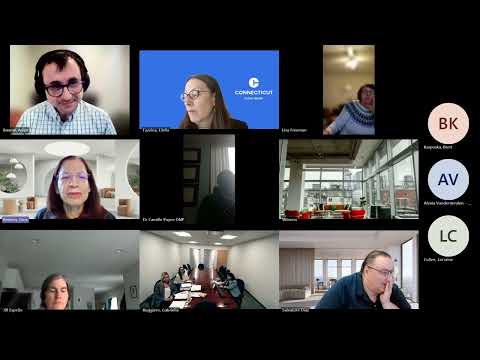
Chair Gina Reiner presided as panel counsel Aidan Baum advised that under the Uniform Administrative Procedure Act non‑party written statements may be received for context but “are not evidence” and should not be relied on for findings of fact unless independently supported. Respondent counsel Heidi Solano argued admitting the affidavit would deprive the respondent of the right to cross‑examine, saying, “I cannot cross examine an affidavit,” and urged the Department to call the complainant to testify instead.
Panel member Sal Diaz moved to overrule the objection and admit the statement as a non‑party submission; Lisa Freeman seconded the motion. On roll call Diaz voted Aye; Freeman, Dr. Camille Payne and Chair Reiner voted Nay, and the motion failed. The chair announced that the objection was therefore sustained.
Department counsel Linda Pizzina told the panel the Department intends to call the complainant as a witness for limited testimony regarding allegations in paragraph 2(b) of the statement of charges, and that the Department would consider confidentiality and scheduling concerns when calling that witness.
The panel recorded that, while the written statement was not to be treated as evidence establishing facts, it may be considered for background or context if corroborated by admissible evidence. The hearing then proceeded to exhibit matters and scheduling for further testimony.
Next procedural steps: the Department indicated the complainant will be called to testify (potentially in executive session to protect patient identity), and the panel paused for a lunch recess and asked counsel to itemize any remaining exhibit objections for prompt consideration after the break.