Lifetime Citizen Portal Access — AI Briefings, Alerts & Unlimited Follows
Holyoke conservation staff ask disability commission for input on MVP 2 climate resiliency planning
Loading...
Summary
Holyoke conservation officials presented the state Municipal Vulnerability Preparedness (MVP 2) planning process and asked the Commission on Disability for input on social-resiliency priorities — including accessible housing, transportation and emergency communications — to inform a $50,000 seed project.
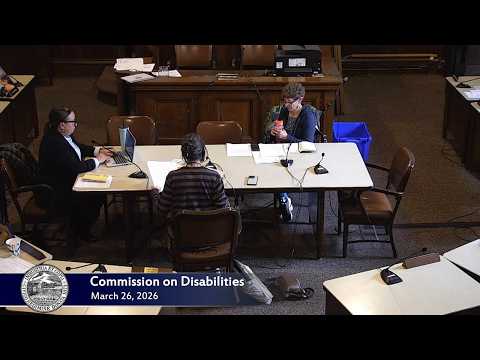
Yoni Glogar, Holyoke’s director of conservation and sustainability, and Claire, a community liaison, briefed the Commission on Disability about the city’s participation in the state Municipal Vulnerability Preparedness (MVP 2) program and invited the commission’s input on equity-focused climate resilience planning.
Glogar said MVP 2 emphasizes social resiliency — how climate change intersects with housing, job security, food and water access, and other challenges that disproportionately affect marginalized groups. He told commissioners the program will lead to community engagement exercises and that Holyoke could receive a $50,000 seed grant to implement a priority identified through the process.
Claire described recent outreach events, including a dinner in the Flats and conversations at the senior center, where mobility and access concerns emerged as central issues. She said many seniors reported transportation and evacuation challenges and that the outreach team will compile notes and share them with the commission.
Commissioners pressed staff on whether MVP findings could be integrated into the city’s comprehensive planning process; Glogar said that may be possible depending on timing and drafts. Members also asked about language access during outreach. Glogar said teams include bilingual city staff and liaisons, use live headsets and translators for events, and are working with UMass to translate materials into Haitian Creole in addition to Spanish.
Commissioners emphasized accessibility for public events and emergency communications. Several members requested that event materials clearly indicate accessibility features (entrances, translation availability, ASL or other accommodations) so residents can determine whether they can participate without time-consuming follow-up. Claire and Glogar said they would accommodate and share materials and notes from community conversations with the commission.
The presentation concluded with an open offer to receive written input and follow-up from the commission as the MVP 2 engagement proceeds; staff committed to returning with compiled findings and to coordinate on outreach to residents with mobility and communication needs.