Get Full Government Meeting Transcripts, Videos, & Alerts Forever!
Get email alerts on the Budget topic
No spam. Unsubscribe anytime.
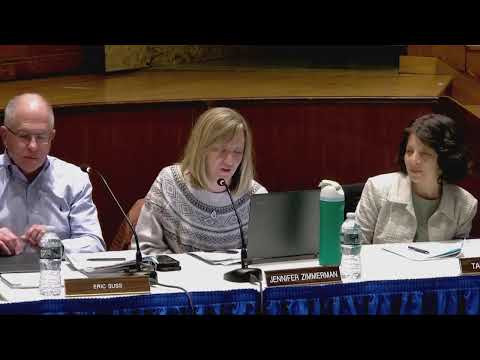
Metuchen board advances preliminary budget that would raise property taxes about 3.45% amid rising insurance costs
Summary
At its March 24 meeting the Metuchen Board of Education advanced a preliminary 2026–27 budget that would raise the average homeowner’s school taxes by about $330 (roughly 3.45%), officials said, citing large health‑insurance increases and a transportation shortfall. A formal budget hearing is set for April 28.
The Metuchen Board of Education on March 24 advanced a preliminary 2026–27 budget that district officials say would raise the average homeowner’s school tax bill by about $330, an increase of roughly 3.45%.
The district’s budget presenter summarized the financial picture and next steps, saying work on the preliminary budget followed reviews of the year-end audit, baseline operational lines, curriculum and special‑education budgets. He said the district expects Fund 10 revenues around $53.5 million and a local tax levy of about $47.1 million, with the combined levy for Fund 10 and the debt‑service Fund 40 calculated near $51.4 million. The district’s equalized ratables were listed at about $1,097,000,000; using the stated assumptions, officials presented a tax‑rate figure of roughly $4.69 per $100 of assessed value. On a home assessed at $211,000, that calculation produced an annual school tax of about $9,009, an increase of roughly $330 (3.45%).
The presenter and board members emphasized health‑insurance cost increases as the primary driver of the rise. The presenter described statewide insurance spikes and said the district’s insurance renewal will be “somewhere between 12% and 15%,” well above the 2% cap on tax increases. Board members noted that state rules include exceptions for health‑insurance cost growth that can allow a district to exceed the 2% cap without a public referendum.
Transportation revenue and busing costs also contributed to the budget strain. The board was told the budget includes about $325,000 in parent‑paid transportation revenue while preliminary contract estimates for busing exceeded $600,000–$700,000, leaving an estimated gap on the order of $400,000 that the district would need to cover from other funds or reserves.
Board member Glassberg commended the administration’s work and noted that the district has historically used referendum votes when seeking large capital funding from taxpayers.
What happens next: the district will present the formal budget and hold the public hearing on April 28, 2026. The board’s action on March 24 advanced the preliminary spending plan and approved finance slate items on the agenda; final adoption will follow the public‑hearing process required under New Jersey law.
Quotes from the meeting: the budget presenter said, “Across the state, there is huge increases in health insurance,” and that the district’s increase “will be somewhere between 12–15%,” putting pressure on the budget and explaining why the preliminary tax increase exceeds the usual 2% cap. Board member Suss told the public, “So just again, so we’re looking at a $400,000 loss on busing.”
Next procedural step: formal budget presentation and public hearing, April 28, 2026.