Get Full Government Meeting Transcripts, Videos, & Alerts Forever!
Get email alerts on the Local Government Profile topic
No spam. Unsubscribe anytime.
Washoe County manager Kate Thomas emphasizes staff support, regional housing and innovation
Summary
In a Washoe Life podcast interview, County Manager Kate Thomas discussed leading about 3,000 employees, creating a regional Affordable Housing Trust Fund, encouraging nontraditional solutions for homelessness services, and prioritizing staff well-being and work–life balance.
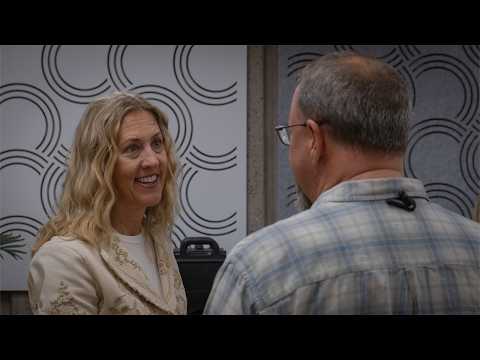
Kate Thomas, Washoe County manager, told the county’s communications podcast that her priorities include supporting the county’s roughly 3,000 employees, advancing regional housing tools and encouraging staff innovation.
Thomas, who joined Washoe County after a period in state service and time as Reno’s budget director, said she was drawn to Washoe County in 2017 by its approach to fiscal sustainability. "I admired the county's approach to fiscal sustainability and how diligent the county's been about being responsible with the taxpayer dollar," she said.
The Affordable Housing Trust Fund was singled out as a key accomplishment. Thomas described the fund as "intentional" and designed to be a regional asset that serves unincorporated Washoe County as well as neighboring jurisdictions. "What's good for the whole region is good for Washoe County," she said.
On workforce issues, Thomas said 70 to 80 percent of local service delivery depends on employees and emphasized the need to support staff in high-stress roles such as public defense, homelessness services, road crews and utility operations. "If those people aren't at their best ... they're not delivering those services to the community in a way that's important," she said. She described delegation, regular communication and giving staff space to test new ideas as central to her management approach.
Thomas said she encourages "nontraditional" solutions and supports employees when experiments do not succeed, offering coaching and opportunities to retry. She used homeless services as an example of where the county tried fresh approaches and then course-corrected when necessary.
Work–life balance was a recurring theme. Thomas advised staff to know their limits, communicate with supervisors and allow others to take lead roles to foster development. Asked what she does on a mental health day, she said she typically "checks out," tells people how to reach her if needed and recharges by hiking, visiting hot springs or attending a concert.
Recorded during Women's History Month, Thomas reflected on female representation in local government and on Washoe County’s leadership. She encouraged young women who expressed admiration in student thank-you cards to consider public service, calling it "rewarding" and saying local government "fills my cup."
The episode also touched on personal background: Thomas described early work in environmental programs, running a used-oil recycling program and organizing Earth Day events after an internship in Thousand Oaks, California. She credited those experiences with sparking her interest in public service.
The podcast closed with hosts reading letters from middle school students who said Thomas’s visit inspired them to help people, a moment she said affirmed the value of civic mentorship. The county’s communications team thanked Thomas for appearing and ended the episode.
The interview did not record any formal board actions or votes; it was a profile-style conversation about leadership, staff support and community engagement.