Get Full Government Meeting Transcripts, Videos, & Alerts Forever!
Get email alerts on the Waste To Energy topic
No spam. Unsubscribe anytime.
Spokane board hails House Bill 2416 as a compromise for waste-to-energy oversight
Summary
Acting chair and staff said House Bill 2416, now awaiting the governor's signature, keeps Spokane's waste-to-energy facility under the Climate Commitment Act and establishes local review of a waste-reduction plan; staff estimate about $14 million in ratepayer savings over four years depending on credit prices.
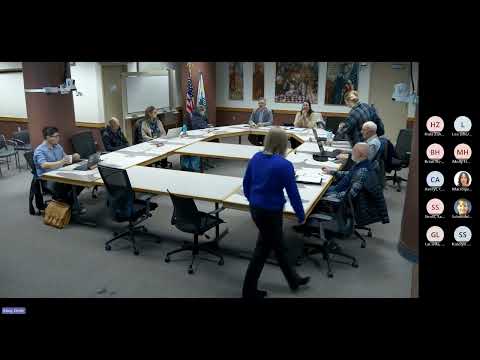
Acting Chair said on April 1 that House Bill 2416 is awaiting the governor's signature and will keep Spokane's waste-to-energy facility regulated under the state's Climate Commitment Act while creating a local role to review the facility's waste-reduction plan. "It's really groundbreaking legislation for Spokane," the acting chair said.
Marlene, who the secretary introduced to the board, told members the city currently estimates the bill could save city ratepayers about $14,000,000 over four years based on current credit prices, though she cautioned that final numbers depend on market conditions. She said the bill provides 100 percent no-cost allowances for 2027 and 2028; those allowances would step down by 7 percent in 2029 and 14 percent in 2030. "Forty percent of the no-cost allowances . . . can be used for rate relief," she said, and the remaining 40 percent will be placed in a consignment account dedicated to greenhouse-gas reduction at the waste-to-energy facility.
The board discussed next steps and asked staff to return with a formal presentation next month outlining how allowances, consignment accounts, and credit purchases would operate in practice. The acting chair said the new local review board created by the bill will be an ongoing city responsibility to consult on waste-reduction and climate resilience measures.
The board did not take a formal vote on any ordinance related to the bill during the meeting; members requested a detailed briefing at the next meeting to flesh out implementation mechanics and financial implications.