Commission backs code change allowing taller accessory structures with architectural requirements
Loading...
Summary
Bullhead City commissioners approved an amendment to Title 17 (Chapter 17.06) to allow accessory structures to gain one foot of height for each additional foot of setback (starting from a 15-foot base), capped at 25 feet, with any height above 15 feet requiring multiple architectural treatments; commissioners also noted the draft’s confusing language.
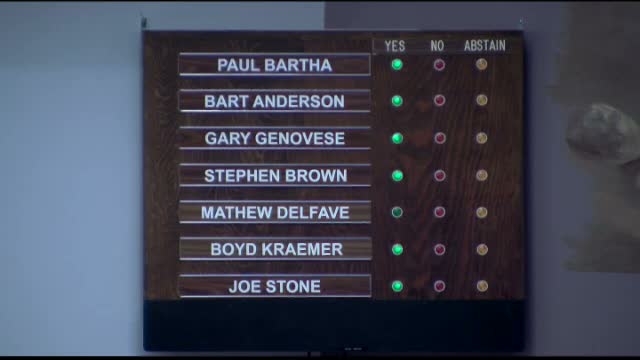
The Planning and Zoning Commission voted 6–0 on April 29 to recommend a code amendment to Bullhead City’s zoning regulations governing accessory structures in residential districts (Title 17, Chapter 17.06).
Staff explained the proposal would keep a 15-foot base height for detached accessory structures but allow one additional foot of height for every additional foot of setback from the side and rear property lines (for example, 16 feet tall with an extra foot of setback), up to the existing 25-foot maximum. Structures taller than 15 feet would have to incorporate at least three distinct architectural treatments on each side visible to the street or neighboring properties to reduce visual impacts.
Staff also described size allowances tied to construction type and finishes: plain metal buildings without architectural treatments would remain limited (150% of living area), while structures built with wood, stucco, or additional architectural features could qualify for up to 250% of living area under the zoning allowances discussed previously.
Commissioners raised concerns that the amendment text was difficult to read and suggested staff consider clearer drafting; staff responded that the code builds upon prior changes and that exceptions are allowed only with specified finishes to reduce glare and visual impacts. Commissioners also emphasized that homeowners associations can still prohibit accessory structures more restrictive than city code.
After discussion the commission moved to accept the amendment as written; the motion passed 6–0.