Get Full Government Meeting Transcripts, Videos, & Alerts Forever!
Get email alerts on the Budget topic
No spam. Unsubscribe anytime.
Princeton Board approves tentative 2026–27 budget after superintendent flags $743,000 shortfall
Summary
The Princeton Board of Education approved a tentative 2026–27 budget and submitted it to the county after Superintendent Dr. L'Souza outlined state‑aid shifts, steep health‑insurance increases and a roughly $743,000 gap the board must close before final adoption on April 28.
The Princeton Board of Education approved a tentative 2026–27 budget as part of the meeting’s consent agenda after Superintendent Dr. L'Souza warned the district faces a roughly $743,000 shortfall and urged the board to finalize reductions or new revenue before the county review and the final vote on April 28.
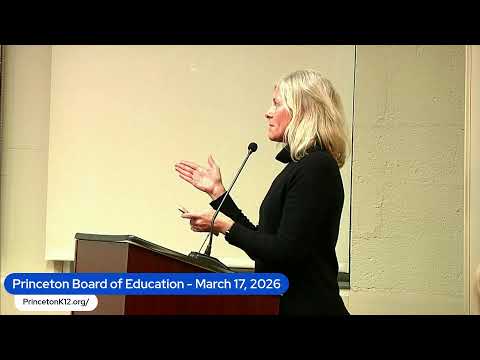
Dr. L'Souza told the board that Princeton’s revenue mix — chiefly a local tax levy that contributes more than 80% of operating funds — is strained by a 2% levy cap, rising salaries and sharp health‑insurance premium increases. “We’re short right now as we speak about $743,000,” he said, adding that the district must adopt a balanced preliminary budget that night and submit it to county review.
Why it matters: the preliminary (tentative) budget sets the ceiling for what the district can lawfully plan to spend and starts the county review process. A remaining gap this spring could force program reductions, use of reserves or new revenue measures such as activity or facilities‑use fees. Dr. L'Souza and board members emphasized they will prioritize solutions that avoid cutting instructional programs where possible.
Key figures and drivers cited by district staff include a projected operating budget in the low‑to‑mid‑$110 million range, a DOE‑calculated adequacy budget the superintendent cited at $77,000,000, a drop in fund balance from about $3.9 million (June 2024) to $2.7 million (close of 2025), and insurance‑related cost pressure. Dr. L'Souza summarized recent health‑benefit notices: the state school employee plan rose just under 32% this cycle (prescription coverage alone showing a higher spike), while Princeton’s private plans are forecast at about a 15% premium increase; family plan examples were cited to illustrate district exposure.
Board members asked technical questions about how DOE adjustments — including banked cap, enrollment growth lookbacks and pension‑related relief — may affect the levy, and about special‑education classification rates that altered categorical aid. On special education the superintendent explained the state’s recent move to use district‑specific classification rates rather than a uniform 15.9% assumption; 504 plans and speech services are handled differently from formal IEP counts, which has revenue implications.
Public comment supported posting materials online; a resident, Nicole Petzold, thanked the superintendent and asked that the presentation be posted for wider public review. “It was an excellent presentation — I know far more about the budget now,” she said; Dr. L'Souza agreed to make the slide deck available.
Next steps: the board must resolve the $743,000 gap before the final budget adoption scheduled for April 28. Dr. L'Souza said staff and board committees will continue to pursue reductions that minimize student impacts (through attrition, reorganization and non‑instructional savings) and explore revenue options (for example, activity or facilities‑use fees). The county will review the submitted tentative budget and may request clarifications before final approval.