Get Full Government Meeting Transcripts, Videos, & Alerts Forever!
Get email alerts on the City Finances topic
No spam. Unsubscribe anytime.
CFO: preliminary 2024 report shows $10.4M sales-tax base impact; general fund "stable but snug"
Summary
Chief Financial Officer Brian Waldis presented the city's preliminary (pre-audit) 2024 financials, noting a $10.4 million impact from sales-tax base changes (food-for-home deductions) and a preliminary unassigned fund balance shortfall of about $575,000; staff described the general fund as stable but with limited margin for new spending.
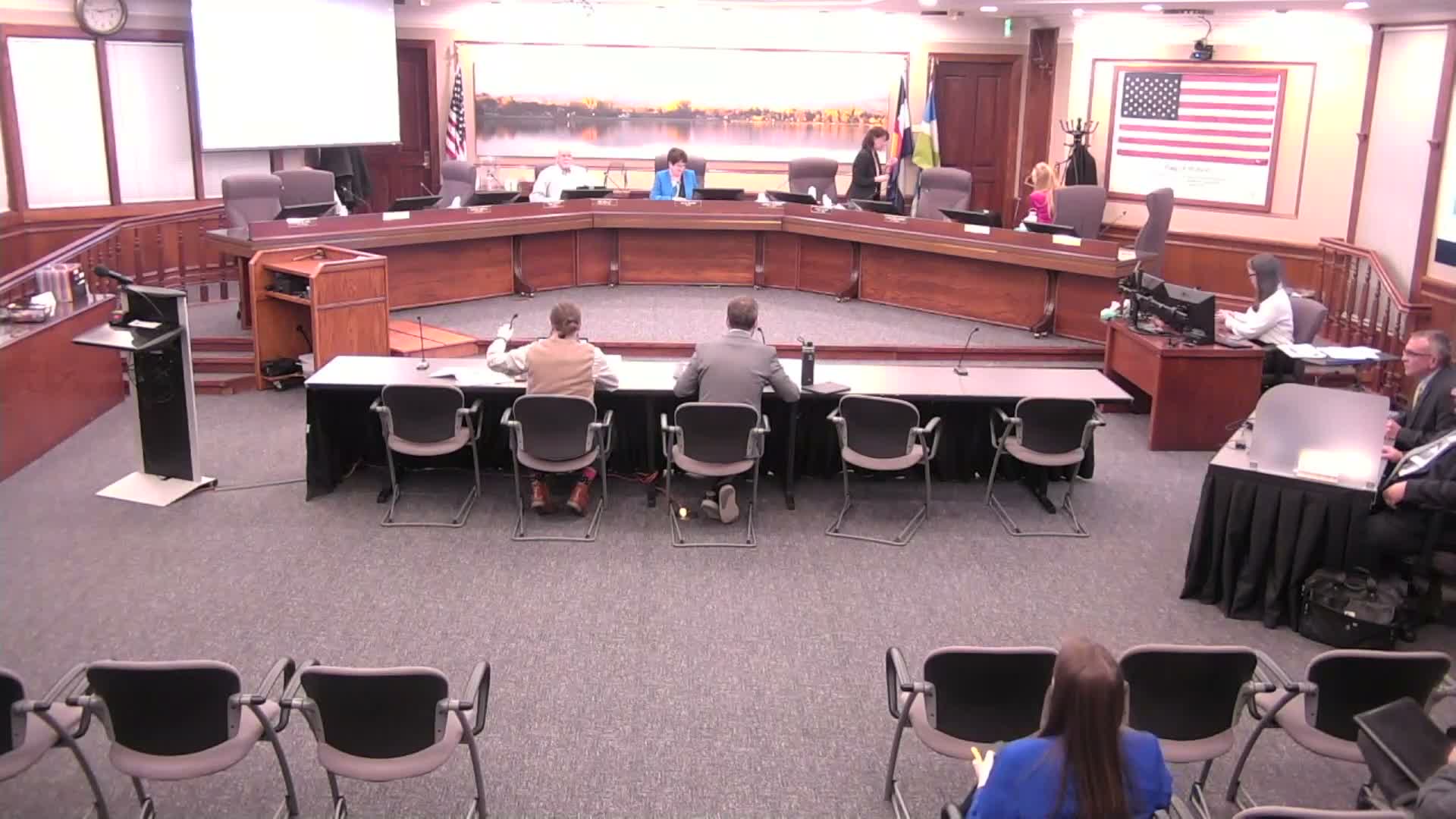
Brian Waldis, Loveland's chief financial officer, presented the city's pre-audit Q4 2024 financial report at the Feb. 25 study session and highlighted a large, specific downward adjustment to the general-fund revenue base.
Waldis told council that changes in reporting for food-for-home consumption on sales-tax returns and other base adjustments produced an aggregate impact of about $10,400,000 for 2024. "When we just add up all the sales tax returns, what we get is the $10,400,000 number," he said, and cautioned that accrual-vs-cash timing can affect monthly perceptions.
On accrual basis (the basis used for audited city financial statements), staff reported that overall tax revenues landed between conservative and business-as-usual scenarios, but the sales-tax base change was the major driver of the gap relative to earlier years. Waldis said the city had roughly $883,000 of one-time property-tax remittances in April that will not recur, and that certain higher 2022—23 capital and motel costs were not predictive of structural ongoing spending.
On reserves, Waldis reported a preliminary unassigned fund-balance deficit of approximately $575,000 in the preliminary results; staff expect audit adjustments that will likely reduce that gap but described the general fund as "stable but snug." "We are very close to the trees," Waldis said, using an aviation analogy to emphasize narrow margins. He and staff said the budget decisions and cuts adopted in recent cycles have stabilized the fund but warned that the city has limited flexibility for new programs without new revenue or further cuts.
Council and members of the public asked about fund-specific subsidies and projects, including the Foundry parking garage and the DDA/Hip Streets program. Staff clarified that tax-increment and DDA funds (special revenue) pay the Hip Streets project and that certain TIF/Foundry projected revenues have not materialized to fully cover anticipated debt service, requiring some general-fund contributions to cover gaps.
Public commenters questioned the communication of the $10.4M figure (one caller said the combined revenue figure looked like a $3.0M decline when viewed on certain pages) and one resident called for accountability of finance leadership. Staff said the reporting format and accrual adjustments explain differences in headline numbers and committed to improved reporting clarity.
Ending: Waldis and budget staff said they will continue audits and will return with finalized numbers; no council action was taken on finance items at the session.