Get Full Government Meeting Transcripts, Videos, & Alerts Forever!
Get email alerts on the Facilities And Environment topic
No spam. Unsubscribe anytime.
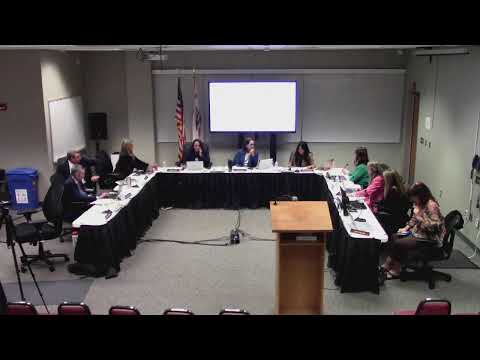
Carlsbad board approves synthetic turf for Carlsbad High track despite PFAS and heat concerns
Summary
After hearing public health and environmental warnings, the board approved replacing Carlsbad High School's field and track with synthetic turf and awarded a CMAS contract to FieldTurf USA. Trustees voted 3–2 on the turf contract and approved related architect and inspection agreements; public commenters warned about PFAS, microplastics and heat and asked for recycling/disposal plans.
The Carlsbad Unified School District board voted to replace the existing Carlsbad High School track and field with synthetic turf, approving vendor and professional services agreements after a contentious public discussion about health and environmental risks.
Staff argued the synthetic option delivers operational advantages: lower water use, reduced ongoing maintenance, year‑round availability for athletics and consistent playing surfaces for band and community use. "While the initial installation cost is slightly higher than natural grass, synthetic turf provides a longer term operational advantage due to significantly lower water use and reduced ongoing maintenance," a district presenter said.
Opponents, including environmental and public‑health advocates, testified that synthetic turf contains PFAS (so‑called "forever chemicals"), heavy metals and flame retardants and generates microplastics and heat hazards. Volunteers with the group Clean Earth For Kids warned trustees that synthetic turf can expose children to chemical and heat risks; one speaker said the turf can reach dangerous surface temperatures and cited studies tying turf to higher non‑contact injury rates.
District staff responded that independent laboratory testing of the proposed turf product found only trace PFAS compounds and that measured concentrations were below EPA environmental safety screening levels for soil and drinking water. Trustees also asked about disposal and recycling; the district said it would work with contractors and purchasing staff to clarify end‑of‑life handling and that earlier procurement guidance indicated recycling options but that the question warranted further follow‑up.
The board approved replacement and related professional agreements in a series of votes: the replacement project motion passed, the architect assignment passed 4–1, inspector and laboratory service contracts passed 4–1, and the FieldTurf CMAS contract (CMAS 4‑06‑78‑0031A) was approved by a 3–2 vote (two trustees voted no citing health and lifecycle concerns). The board recorded concerns and asked staff to confirm permitting (including DSA and possible coastal/CEQA implications where applicable), disposal plans and maintenance protocols.
Public commenters asked that the district consider natural alternatives, require aggressive testing and monitoring, and document recycling or disposal procedures before removal of existing turf. Trustees who voted in favor said they weighed community use and operational costs and relied on the vendor testing; trustees who opposed said unresolved health and environmental questions and disposal impacts made the purchase premature.
The project will advance into design and permitting phases with Roonau Clark Architects and contracted inspection and environmental services. Staff said the district will return with permit and procurement documentation and ongoing testing and maintenance plans.