Get Full Government Meeting Transcripts, Videos, & Alerts Forever!
Get email alerts on the Early Education Kindergarten topic
No spam. Unsubscribe anytime.
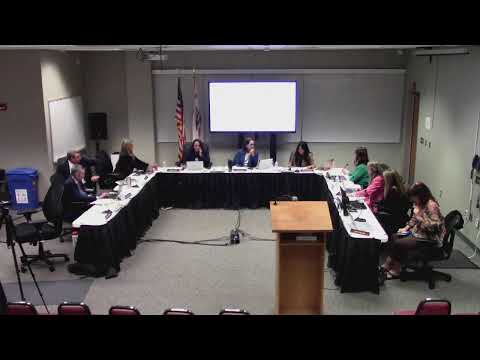
Carlsbad board declines district‑wide shift to full‑day kindergarten after heated debate
Summary
Trustees heard hours of testimony from parents and teachers divided over full‑day kindergarten. Staff recommended districtwide adoption based on a two‑school pilot, but the motion to adopt a districtwide full‑day schedule failed after trustees and educators raised concerns about class size caps, staffing, bargaining and costs.
After a staff presentation on a two‑school full‑day kindergarten pilot, the Carlsbad Unified School District board considered a motion to adopt a district‑wide full‑day kindergarten model for 2026–27 but voted it down following prolonged debate.
Director of Elementary Education Miss Fuentes summarized the pilot at Hope and Jefferson, saying the longer day provided “more time to establish routines and transitions” and that one pilot site saw 98% of students receiving targeted reading support improve their DIBELS composite scores from fall to midyear. Family surveys showed overall favorability at 68% district‑wide and 80% among pilot families.
But many kindergarten teachers and parents urged caution. Katrina Ketteridge, a parent and TK family member, told trustees, "My son currently loves going to school, and I am so scared to see what this will do to him if he is forced to be in the classroom 6 hours a day." Several teachers who spoke — including kindergarten instructors who testified they had spent personal funds to outfit classrooms — said the district had not provided adequate materials or staffing to scale the pilot.
Trustees asked detailed questions about class‑size tradeoffs under the K–3 grade‑span average, union bargaining, and the feasibility of providing instructional aides or setting site‑level caps. Staff said 22 responses came from kindergarten teachers: 17 opposed or strongly opposed, one neutral and four supportive; first‑grade teachers who replied were largely supportive. Staff estimated that to reach a staffing target of roughly 20 students per class would require adding about five full‑time teachers (roughly $530,000) plus aides (roughly $55,000 each) and additional materials.
President Ward moved to adopt a district‑wide full‑day model for 2026–27, subject to labor negotiations; Trustee Emery seconded. After trustee discussion and unsuccessful attempts to amend the motion to add further pilots or caps, the motion failed on roll call. Only Trustee Ward voted in favor; other trustees cited readiness concerns and a desire for clearer class‑size guarantees and more thorough teacher engagement.
The board did not adopt a final policy change at the meeting. Several trustees suggested staff could return with refined cost estimates, a clearer plan for class‑size prioritization, and options that include phased or expanded pilots and additional teacher and aide funding through the district’s budget and LCAP process.
The board voted later in the meeting to accept the second interim financial report and then proceeded with other business; the kindergarten item remains open for further study and possible future action.