Get Full Government Meeting Transcripts, Videos, & Alerts Forever!
Get email alerts on the Public Transit topic
No spam. Unsubscribe anytime.
Smart Transit officials report ridership growth, senior medical shuttles and rising vehicle costs
Summary
Presenters from Smart Transit told the council the agency provided more than 113,000 rides in 2025 across Austin and Mower County, runs school and work routes that serve hundreds of riders, offers free rides for passengers 55+ to medical appointments, and warned vehicle procurement costs have more than doubled since 2020.
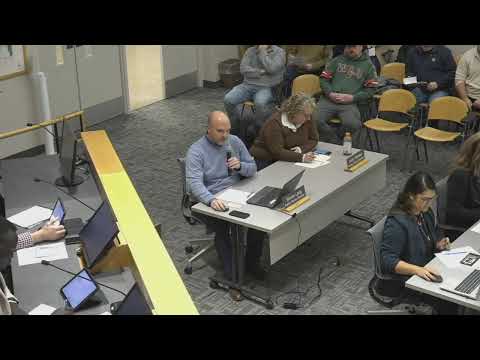
Smart Transit representatives briefed the Austin City Council on service levels, partnerships and funding challenges, saying the agency is expanding and facing sharply higher vehicle costs.
Chris, a Smart Transit operations lead, told the council that in 2025 Smart provided "over 113,000 rides in the city of Austin in Mower County" and currently serves about 250 students through preschool-to-high‑school routes and about 20 adult learners in basic education programs. Chris added the agency has provided more than 3,000 free rides for seniors in the community and that a partnership with Mayo Clinic’s Community Investment Program and the United Way supports shuttle service between Austin and Albert Lea.
Kirk, who described broader operations, said Smart Transit runs work‑route service for area employers (naming Quality Pork, Hormel and others) and reported employee‑route ridership of about 11,000 trips. He explained Smart operates across four counties and is working with MnDOT and the Federal Transit Administration on facility projects and an electric‑bus (EV) procurement program supported by FTA dollars.
Kirk flagged increasing capital costs as a key challenge: "In 2020, we bought a bus and it was about $90,000. We just took delivery of a bus a couple weeks ago and it was $200,000," he told the council, noting labor and maintenance costs are also higher.
Council members asked about waiting lists for the preschool rainbow routes and funding sources. Chris and Kirk said the agency relies on state and federal formula grants administered through MnDOT, local partnerships, advertising revenue and United Way grants. They said they apply for operating and capital grants annually and continue to seek ways to diversify revenue.
Why it matters: Smart Transit provides essential mobility for seniors, people with disabilities, low‑income residents and workers with nonstandard shifts. Council members praised the service and noted that continued grant and local support will be important as vehicle and operating costs rise.
What’s next: Staff did not ask for council action on funding tonight; the presentation concluded with council thanks and an offer to answer follow‑up questions.