Get Full Government Meeting Transcripts, Videos, & Alerts Forever!
Get email alerts on the Radio System topic
No spam. Unsubscribe anytime.
Council debates $10.2M radio-system replacement and lease vs. buy options
Summary
Council members and staff discussed replacing the county radio system, with a vendor-estimated worst-case cost of $10.2 million; debate centered on leasing (which could add roughly $1.7M a year in operating costs) versus purchasing and the lifecycle and count of radios needed.
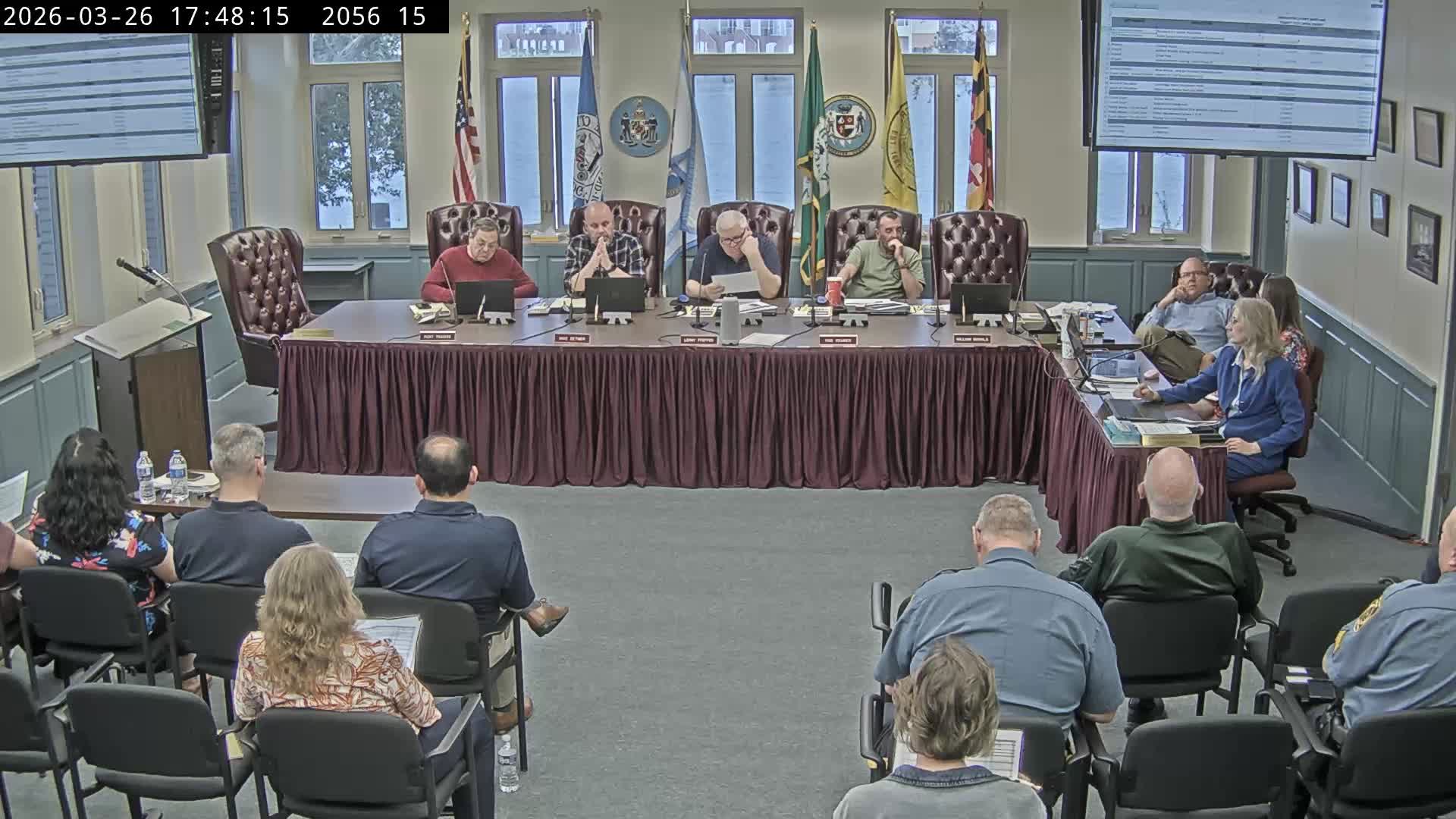
Dorchester County council members spent substantial time debating how to finance a proposed replacement of the countywide radio system, a project staff estimated at about $10.2 million in a worst-case scenario.
"I do approve of this 1,400,000," the Chair said when introducing the radios as a capital recommendation, while also laying out a seven-year lease option to spread costs and lock in prices. Vendor and technical presenters said the county's current radios are roughly 10–17 years old and that comparable models would likely require replacement again in 7–10 years.
Council members questioned the long-term operating cost of a lease. One council member calculated the seven-year lease option would "basically add $1,700,000" annually to the operating budget and warned the county might end up paying "almost $2,000,000 a year" in lease costs when interest is included. Supporters of leasing argued it locks in today's prices, includes turnkey support (batteries, accessories, buybacks) and avoids large up-front capital spikes.
Technical details were central to the discussion: presenters said the worst-case radio count reflected the incident agencies currently on the system (police, fire companies and others); some departments (for example, fire) require higher-tier, water-resistant handsets while others need fewer portables. Council members asked staff to convene a technical committee or radio-subcommittee to reassess required radio counts, tiers and procurement strategy before finalizing financing.
Next steps: staff will convene stakeholders to refine the radio-count assumptions, compare lease and bond options, and return with a clearer cost/benefit analysis for council action.