Sen. Nilo renews push to end clock switching, citing health benefits; golf groups urge broader study
Loading...
Summary
SB 1197 would move California to permanent standard time to eliminate the twice‑yearly clock change. A sleep medicine physician testified that the switch harms sleep and cardiovascular health; golf and recreation groups urged careful study of economic and safety impacts.
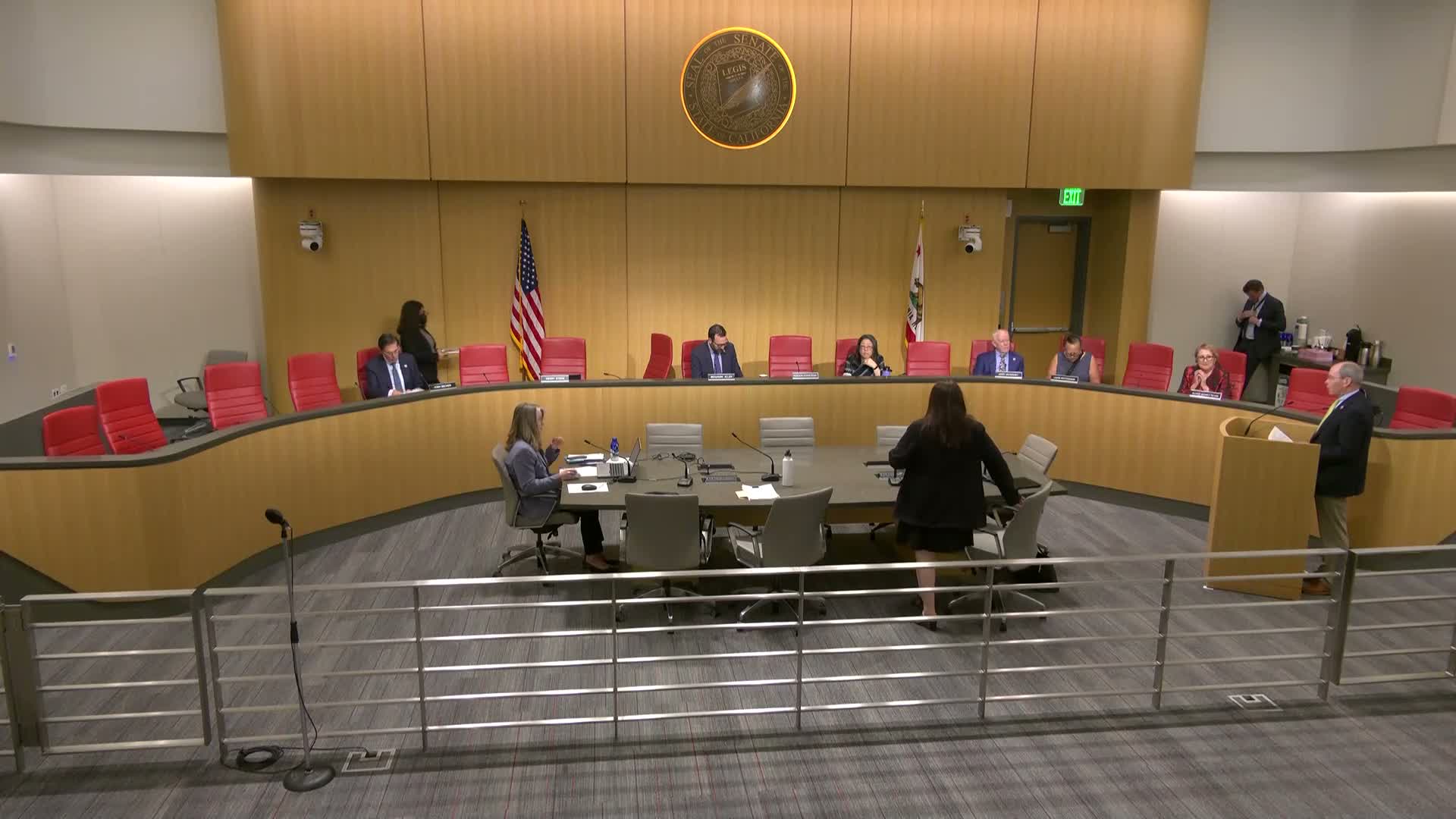
Sen. Nilo presented SB 1197, a bill to make permanent standard time in California and end the twice‑yearly clock change. He argued the measure would reflect voters’ desire to “ditch the switch” and said the bill provides a balanced option to move the state to permanent standard time unless Congress authorized permanent daylight saving time.
Dr. Ken Yoon, introduced as an adjunct associate professor at Stanford and UCSF and a sleep medicine physician, told the committee the one‑hour spring time change is disruptive: “Going to sleep an hour earlier is unnatural… it typically takes us a while to adapt,” he said, and added that teenagers lose an average of “about 32 minutes of sleep per night” during the March daylight‑saving transition. He testified the change is associated with higher risks of heart attacks, strokes and metabolic harms and urged support for SB 1197 on public‑health grounds.
Representatives of the California golf community, including Morris Thomas of the Southern California Golf Association and a letter from multiple golf organizations, urged caution. Morris Thomas acknowledged the scientific evidence cited by the physician but warned the Legislature should weigh economic and public‑safety consequences for outdoor recreation, tourism and school sports before changing the electorate’s 2018 vote on Proposition 7.
Committee members asked whether a return to voters would be required or whether federal approval would be necessary to adopt permanent daylight saving time. Sen. Nilo read language from the 2018 voter pamphlet to argue Proposition 7 allowed consideration of either permanent daylight saving or permanent standard time; he and other senators noted federal law currently permits states to adopt permanent standard time but not permanent daylight saving time without congressional action.
Senators expressed mixed views on the merits; some said they supported ending the clock change but wanted more study of broader impacts. The author requested an I vote but the committee did not take a final vote at that time due to quorum issues.