Appropriations committee advances scores of budget and limits bills, including teacher and public‑safety COLAs and a $5 million sitcom pilot
Loading...
Summary
The joint appropriations committee reported dozens of appropriation and limits bills out of committee, approving cost‑of‑living adjustments for several retired public‑employee groups, funding a $5 million sitcom pilot, and advancing a proposal to seed a $200 million Taxpayer Endowment Trust Fund.
The Joint Committee on Appropriations and Budget advanced a broad package of appropriation and limits bills on a single, marathon agenda, moving multiple pension COLA measures, agency limits, and project appropriations to the next stage.
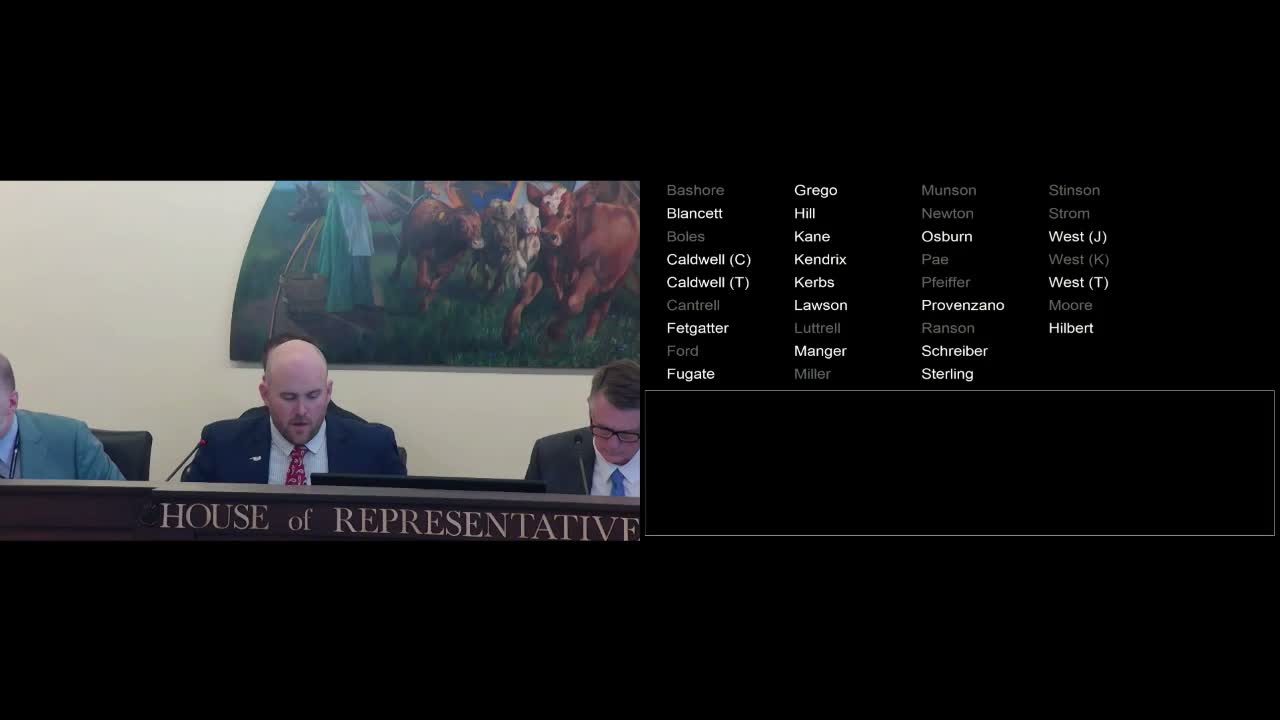
Representative LePak presented Senate Bill 1144, a COLA measure for retired teachers that would provide a 3% increase for retirees with 8–20 years and 6% for those over 20. The committee adopted the committee substitute and voted the bill out with a do‑pass recommendation; the vote was recorded as 23 aye, 0 nay. LePak told the committee, “This one's for teachers retirement system,” urging consideration of the adjustment for long‑serving retirees.
LePak also presented Senate Bill 1145, a similar COLA carryover for OPERS retirees (3% for 10–20 years; 6% over 20), which the committee passed out 23–0. Other COLA and fairness items for law enforcement, volunteer firefighters and retired judges were also advanced.
One of the more discussed appropriations was House Bill 4036, described by Representative Fett Geder as a pilot for a sitcom production program. Fett Geder said the bill would “fund it with $5,000,000 moved to adopt” from prior carryover dollars and said the pilot’s language follows existing film program rules. Representative Blaine and others questioned why $5 million was needed and why a studio certification requirement had been removed; Fett Geder replied the pilot tracks the previously enacted rules for the film program and that the funding comes from last year’s carryover. The committee reported HB4036 out with a do‑pass recommendation (20 aye, 4 nay).
Committee members also moved a number of large and routine appropriations and limits bills, including: - HB4044, funding for national board certified teachers (reported 25–0); - HB4040, establishing a rural health transformation program and aligning state implementation with federal grant conditions (reported 26–0); - SB1159, a remediation assistance revolving fund appropriation (reported 24–0); - HB4056, authorizing legacy capital funds for OSBI forensic expansion (vote reported in committee record); and - HB4072, a proposal creating a Taxpayer Endowment Trust Fund that would transfer $200 million from the stabilization fund to seed a state investment vehicle, which the committee reported out by recorded vote (21 aye, 2 nay).
During several presentations members sought clarifications on funding sources and program design. On HB4036, Representative Blaine asked whether the bill diverts existing film program dollars or adds new funding; Fett Geder said the $5 million is a set‑aside out of carryover from the $30 million previously appropriated. On HB4052 (Service Oklahoma building purchase), presenters supplied a projected payback calculation—current lease costs of about $836,000 annually and a purchase price of $8.1 million, yielding a roughly 10‑year return on investment, according to the presenter.
The committee also advanced several agency limits and administrative bills (for DHS, the Department of Health, Department of Mental Health and Substance Abuse Services, and others), and several bills directing capital or legacy capital financing fund (LCF) loans or grants for university facilities, fairgrounds upgrades and rural economic development projects.
Representative Sterling presented an appropriation (SB1156) of $65,333 to the pardon and parole board and answered questions about timing and dependencies on related legislation; Sterling said funds are anticipatory and would be swept back if the referenced bill failed. Representative Chapman presented SB1157 to create a cyber crimes and fraud unit within the Oklahoma State Bureau of Investigation, which the committee also reported out.
At the end of the agenda Chairman Caldwell and the Committee recorded final votes and adjourned. The committee reported the full slate of bills out with do‑pass recommendations and the measures will move to their next procedural step on the floor.
Actions and next steps listed in committee records will determine precise implementation timing; the committee chair closed the session and adjourned the joint committee until the next scheduled meeting.