Lifetime Citizen Portal Access — AI Briefings, Alerts & Unlimited Follows
Complainant seeks findings on service adequacy, reliability rules and data-integrity issues; flags confidentiality of discovery
Loading...
Summary
Complainant James Smelly asked the commission for findings of service-adequacy and reliability-rule violations and raised data-reporting and integrity concerns, and he objected to the utility’s confidentiality designations that, he says, hide how many customers were affected.
James Smelly, appearing pro se, told the commission he is seeking a finding of violations in three primary areas: service adequacy under statutes he cited as "43 1 0 1" and "43 1 0 2," regulatory failures under the commission's electricity reliability rules (maintenance, vegetation management, safety metrics and customer notification), and data reporting and integrity concerns related to the utility's monitoring systems.
"I am requesting to start with a violation finding in 3 primary areas," Smelly said, summarizing his requested relief and offering to provide detailed evidence. He told the judge he had concurrent outages on his feeder and that the data the utility provided show that; he said the company's confidentiality designations have prevented him from disclosing how many customers were affected.
Respondent counsel Emily Geraldo responded that some attachments included granular customer-premise information that the company is required to protect, and she suggested the commission's confidentiality procedures could be used to present sensitive material at hearing. "I do not believe that we necessarily marked the number of outages as confidential, but there were attachments that had very granular information, including, like, customer premise information and just data about other customers that we are required to protect," she said.
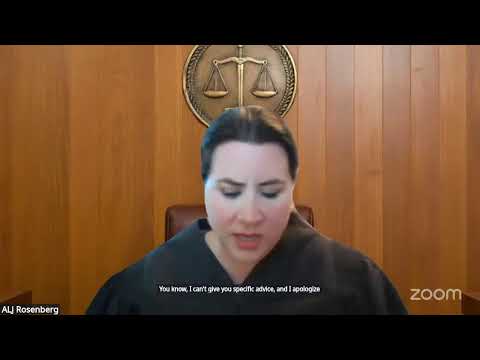
Judge Rosenberg told the parties that the commission has procedures for handling confidential information at hearings and that if necessary the parties could file motions addressing confidentiality or present material under the commission’s closed-proceeding rules. She also reminded Smelly that the burden of proof is his and that commission staff is not prosecuting the case; she said she would direct him to the applicable subpoena and evidence rules in her written decision if he seeks to subpoena staff witnesses.
The judge reserved a hearing date to be confirmed in a written procedural order and indicated parties should expect deadlines for exhibit exchange and dispositive motions. The substantive allegations and the utility’s confidentiality designations will be addressed at the evidentiary hearing.
Note: The transcript contains inconsistent renderings of some names and a date noted in the oral record; the judge said she will issue a written order that will confirm the final hearing date and scheduling details.