Lifetime Citizen Portal Access — AI Briefings, Alerts & Unlimited Follows
Council weighs targeted radar details and passive options to curb speeding on Euclid Avenue; e-bike rules reiterated
Loading...
Summary
Police chief reported about 25 speeding stops over a recent weekend and proposed dedicated radar enforcement for Euclid Avenue (estimated overtime $4,000–$8,000); council also reviewed passive options and the city’s enforcement stance on e-bikes and scooters.
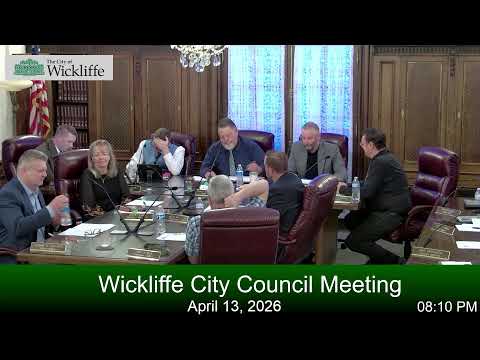
Wickliffe council discussed speeding complaints on Euclid Avenue at its April 13 meeting and heard from Police Chief Bush about enforcement options including short-term dedicated radar details and passive measures such as speed-feedback signs.
Chief Bush said officers recorded about 25 traffic stops for speed over a recent weekend and that a focused radar detail — a month-long effort of 3–5 days at 4 hours each day — could cost between $4,000 and $8,000 in overtime. “I can get an overtime spot filled if that’s what you guys would like to do, but my overtime budget’s gonna suffer from that,” Chief Bush said, noting the department could run targeted radar when staffing allows.
Council members asked about passive alternatives. The chief noted the city already owns two radar feedback signs (one currently being repaired) and said permanent solar‑powered speed signs vary in cost depending on model and size; one council member asked staff to bring cost estimates back to council.
Members also revisited local enforcement of electric bicycles and scooters. The chief reviewed classifications: class 1 and 2 e-bikes are limited to 20 mph, class 3 to 28 mph, and operation on sidewalks with the motor engaged is prohibited; class 1 scooters are typically allowed under the city ordinance. He cautioned that repeated violations by juveniles could result in citation, confiscation and referral to juvenile court.
Council directed staff to monitor enforcement outcomes and return with numbers after a trial period before authorizing a sustained overtime detail.