Get Full Government Meeting Transcripts, Videos, & Alerts Forever!
Get email alerts on the Earned Wage Access topic
No spam. Unsubscribe anytime.
Earned-wage-access bill package draws sharp split between industry and consumer advocates
Summary
Supporters from EWA providers and business groups told the House Regulatory Reform Committee the HB 5558 package would modernize pay and protect workers; consumer advocates said the bills would exempt harmful short-term advances from lending laws and urged treating the products as loans. Committee members pressed witnesses about fees, tips and repayment mechanics.
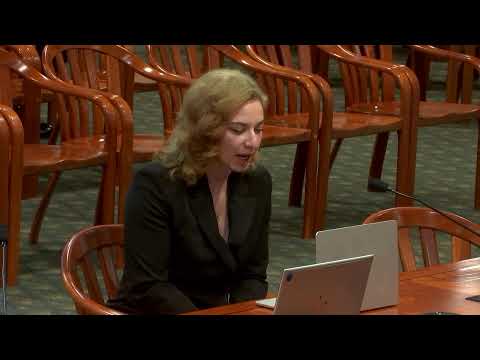
The House Regulatory Reform Committee heard extended testimony Wednesday on a package of bills (House Bills 5558–5569) that would create a licensing and consumer-protection framework for earned-wage-access (EWA) services, a set of products that let workers access wages they have already earned before payday.
Lead sponsor Representative Beierlein told the committee the bills would require providers to be licensed by the Michigan Department of Insurance and Financial Services, mandate clear fee disclosures, provide a no-cost option for users and prohibit interest, late fees, collections and credit reporting. "These are not payday loans," the sponsor said, urging members to view EWA as a tool that allows workers to access pay they have already earned.
Industry witnesses emphasized convenience and low cost. Ben LaRocco of Earnin said the bills would "provide clarity, consumer protections, and responsible oversight" and argued EWA helps workers avoid predatory products. LaRocco cited user outcomes, saying earned-wage users can avoid penalties and sometimes increase take-home pay. Andrew Welch of DailyPay described the employer-integrated model and the product's fee structure: "The only fee DailyPay has for any transaction would be $3.49," he said, adding there are two free options and that the bill includes a per-transaction fee cap of $7.
Consumer advocates pushed back, saying the products function as short-term loans and can create cycles of repeat borrowing. Libby Benton of the Michigan Poverty Law Program said research shows many users pay expedite fees and reborrow frequently; she warned that a $7 fee cap would still produce very high effective APRs on small, short-term advances. Monica Burks of the Center for Responsible Lending said "90% of people who use these products pay the expedite fee," and argued the apps' design encourages repeated small advances that result in large annualized costs and rising overdraft incidence.
Witnesses and members clashed over specific details. PayActiv's Molly Jones disputed some opposition claims and said PayActiv offers multiple free access methods and an optional $3.49 expedited fee. She also said PayActiv can offer up to $1,500 per transaction for workers who have earned that much. Consumer groups countered with studies and state regulator findings, saying caps and carve-outs in statute could leave gaps and that existing usury and disclosure laws should apply.
Committee members pressed industry witnesses on how available earnings are calculated, the frequency of access, how unsettled transactions are handled and whether tips or voluntary gratuities were effectively additional charges. Industry witnesses described employer-integrated verification, daily checks of payroll data, limits on per-period access and nonrecourse provisions that would lock a user out of the service rather than trigger collections.
The committee received written-position cards from organizations on both sides and heard brief remarks from trade groups including the Michigan Chamber of Commerce, the Chamber of Progress and the American Fintech Council. No committee vote was taken on the EWA package; the items were for testimony only at this meeting. The committee adjourned after the hearing.