Lifetime Citizen Portal Access — AI Briefings, Alerts & Unlimited Follows
Senate approves law creating subterranean transit authority amid sharp debate over accessibility, liability and local control
Loading...
Summary
The Tennessee Senate passed the Subterranean Transportation Infrastructure Coordination Act after prolonged floor debate over whether the new authority shifts risk to taxpayers, preserves ADA access, and pre-empts local zoning and police powers. Sponsors said contracts and state oversight will protect safety and liability; critics warned of handing regulatory powers to private operators.
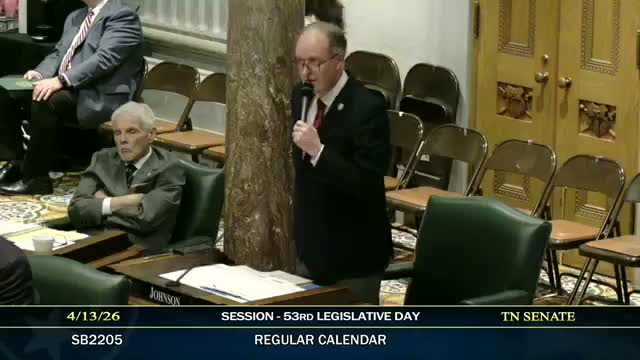
The Tennessee Senate on third and final consideration approved the Subterranean Transportation Infrastructure Coordination Act, a measure sponsors said will create a consistent statewide framework to govern permitting, safety, and appeals for underground passenger and goods transit projects.
Leader Johnson, the bill’s sponsor, told colleagues the legislation standardizes review and centralizes subsurface permitting with the state fire marshal and the governor’s infrastructure coordination council. “This project will generate in excess of $1,000,000,” Johnson said, pointing to the fiscal note and adding that the cost of administering the new infrastructure council would be roughly $800,000 and that the measure will be “accretive to the taxpayers of Tennessee.”
Opponents pressed for more guarantees on accessibility, insurance and bonding. Senator Yarbrough argued the bill does not ensure vehicles or stations would meet the needs of people with disabilities and said the change effectively creates a regulatory entity that could relieve a private operator of liability. “I frankly think…there’s no way that that’s true…that this project would be entirely compliant with the ADA,” Yarbrough said, urging further debate and questioning whether private, for‑profit vehicles would be wheelchair accessible.
Senator Campbell raised concerns about the private company involved, saying the sponsor’s asserted operator has “over 800 violations in Las Vegas” and has a record of projects that didn’t reach fruition in other cities. Campbell warned the state could inherit long‑term risks if projects are abandoned or damage surface infrastructure.
Supporters countered that the operational projects in Nashville already are proceeding under state agency approvals and local agreements. “The Nashville Airport Authority voted unanimously to give a point of ingress and egress,” Leader Johnson said, and he said state agencies including TDEC, the Department of Transportation and the state fire marshal will oversee environmental and safety standards.
The floor adopted multiple committee amendments clarifying procedural timelines, centralizing subsurface permitting and explicitly preserving existing statutory authority of state departments. The Senate chair called for a final vote on third reading and declared the bill passed after the requisite constitutional majority was recorded.
What it means: The law creates a state‑level authority to coordinate subterranean transit projects and aims to reduce regulatory barriers that supporters say have blocked similar projects elsewhere. Critics say the measure risks pre‑empting local land‑use control, shifting financial exposure onto the state, and failing to guarantee accessibility and adequate bonding for potential surface‑level damages.
Next steps: The measure will move to the enrolled bill process and, if signed by the governor, the implementing boards and appointments described in the statute will be made. The transcript records questions and concerns about contractual protections, bonds and insurance; sponsors repeatedly pointed to contract language as the place those protections will be required.