Lifetime Citizen Portal Access — AI Briefings, Alerts & Unlimited Follows
Syracuse City payment office details collections, seizure process and refund workload after school‑zone ticket errors
Loading...
Summary
Deputy Commissioner Vicky Voss told Syracuse City councilors the City Payment Center has increased collections but faces a surge of refund work after approximately 700 school‑zone tickets were approved in error by a vendor; councilors pressed for clearer dispute options, possible fee changes and expanded payment hours.
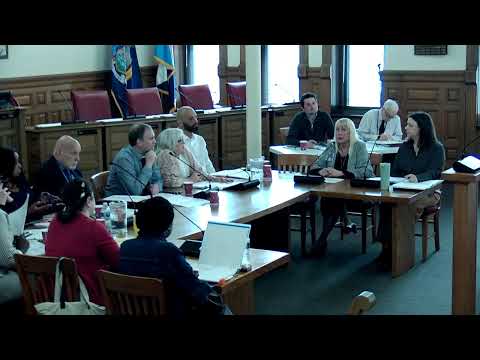
At a Syracuse City council meeting, Vicky Voss, deputy commissioner of the City Payment Center (Department of Treasury), outlined how the office collects payments for taxes, water, parking and other charges and described steps to address delinquent accounts and a recent vendor error that will require hundreds of refunds.
Voss said the payment center accepts cash and processes billing for items ranging from police overtime and board‑ups to municipal sidewalk assessments. "City Payment Center also known as the Treasury, is where we collect money," she told the council, listing staffing as "5 cashiers, 8 control clerks, 3 information aids" and describing programs to manage delinquent taxes.
The nut of the discussion was revenue recovery and resident protections. Councilors pushed officials to explain how far delinquency goes and how the city proceeds when owners do not respond. "We have a couple of committees that work in that, and it's not just us in assessment," Voss said, describing a multi‑department review that includes Neighborhood and Business Development (NBD) and the law department. Commissioner Matt OJ, commissioner of assessment, told the council he expects to seize the referenced parcel "on the sixteenth." He added that assessment records are generally good back to 1936 but that older rolls can have gaps.
Voss walked the council through the city's seizure timeline: NBD identifies candidate lots, a legal 60‑day notice is sent, and the formal seizure process typically takes six to nine months or longer if the owner cannot be reached. A councilor clarified that letters generally begin after roughly two and a half years of delinquency; Voss confirmed that is when enforcement escalates and staff begin intensive outreach to arrange redemption or tax trust options.
Councilors and Voss also discussed revenue changes the office has made: adding late charges consistently and applying contract 'true ups' to shelter rents when contract terms indicate additional payment. "The late charge income has gone up dramatically, because we actually charge it," Voss said, noting that the office has increased recoveries year over year during her tenure.
A major operational issue raised during the meeting involved automated school‑zone enforcement. Voss said both the Syracuse Police Department (SPD) and the vendor Enoptic approve school‑zone tickets, and that a vendor approval error — or tickets issued on canceled school days — has produced about 700 tickets that must be refunded. "We have 700 tickets to refund for that," Voss said, describing the refunds as a time‑consuming workload for the payment center.
Councilors asked about practical changes to make paying and disputing charges easier. Voss said residents can call or write the payment center to dispute late charges and that the office will waive a late fee when presented with evidence such as a stop‑payment. She described secure drop‑box options at City Hall and the use of a lockbox processor; she also noted Invoice Cloud is available for online payments and recurring billing. On service hours, Voss said the mayor suggested staying open until 7 p.m. on Mondays to reduce lunchtime congestion.
Budget details and vendor costs also drew attention. A councilor asked whether a roughly "$200,000" professional services line in the budget covered the new payment program; Voss confirmed with the exchange "Yes. 203." She also described booting collections, noting that while a registered owner pays a $50 fee, the city pays a roughly 28% vendor fee on outstanding parking ticket balances — a cost she suggested the council might revisit as automated enforcement is integrated.
The meeting closed with councilors asking to continue some follow‑up offline; Voss invited further questions by email. "Email me any questions," she said. The chair then called for and received a motion to adjourn.
What happens next: councilors signaled interest in options to expand in‑person hours, publicize local payment and dispute options on tax bills, and review vendor fee arrangements as automated enforcement systems come online.