Lifetime Citizen Portal Access — AI Briefings, Alerts & Unlimited Follows
WRTA reports ridership growth and efficiency gains as county transit study nears completion
Loading...
Summary
WRTA told commissioners its demand-response service carried about 20,879 passengers (up ~15%) while vehicle revenue miles fell ~35% after efficiency measures; the agency and CTAA-funded sustainability study aim to guide long-term rural transit strategy for all of Fremont County.
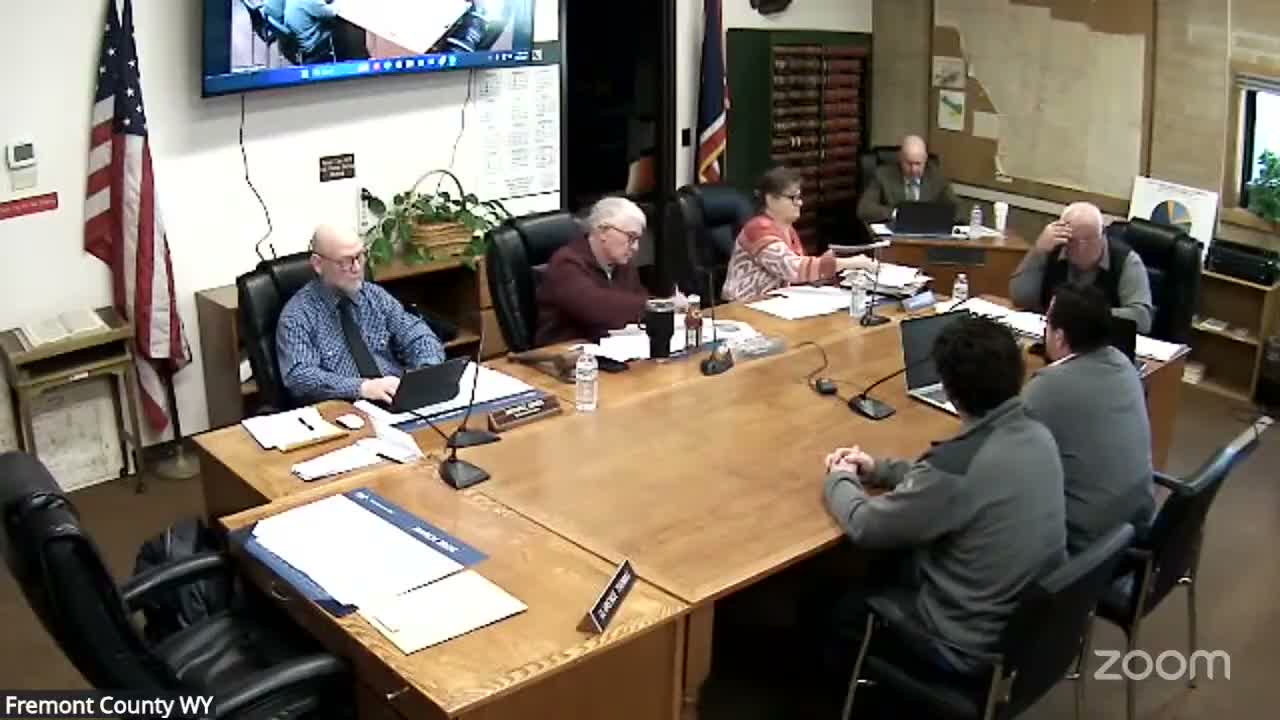
Representatives of the Wind River Transit Agency (WRTA) updated the Fremont County Board of Commissioners on ridership, funding and a federally supported sustainability study.
WRTA staff said demand-response vehicle revenue miles dropped from 138,356 to 89,931 (a roughly 35% decline) while passenger trips rose from 18,079 to 20,879, a gain of about 15 percent. Vehicle revenue hours rose slightly; WRTA attributed the shift to tighter trip groupings, more efficient scheduling, and concentrated service design that reduces travel distance while increasing the number of passenger trips served.
The agency highlighted the Safe Ride weekend program (Friday-Saturday evenings) and the Riverton micro-transit integration, both of which WRTA said have improved access and system efficiency. WRTA noted that farebox revenue increased year-to-date—the largest amount in more than a decade—but emphasized that reported fare revenue cannot be used as local match for FTA grants.
WRTA also reviewed federal funding rules: maintenance and administrative capital matches typically are 80% federal/20% local, operating matches vary by grant line, and some capital procurements can be matched using the state Transportation Enterprise Account to reduce local-match burden. WRTA confirmed a USDA/CTAA technical-assistance grant is funding a sustainability study, with findings expected before June; the study is intended to identify durable service design, funding diversification and regional coordination strategies for rural transit.
Commissioners asked about WRTAs path toward self-sufficiency; WRTA said it currently generates roughly $160,000-$190,000 in self-generated revenue and is evaluating diversified revenue sources and partnerships to reduce dependence on taxpayer subsidy. The agency also said it expects to send staff to national conferences and pursue scholarship supports for staff training.