Get Full Government Meeting Transcripts, Videos, & Alerts Forever!
Get email alerts on the City Hall Project topic
No spam. Unsubscribe anytime.
Carson City supervisors authorize due diligence, negotiations for proposed downtown City Hall; public sharply split
Summary
After hours of testimony for and against a proposed downtown City Hall, the Carson City Board of Supervisors voted 4–1 to direct the city manager to begin due diligence and negotiate with the Hop and Mae Adams Foundation on a possible lease‑option and eventual purchase. Residents questioned costs, transparency and use of redevelopment funds.
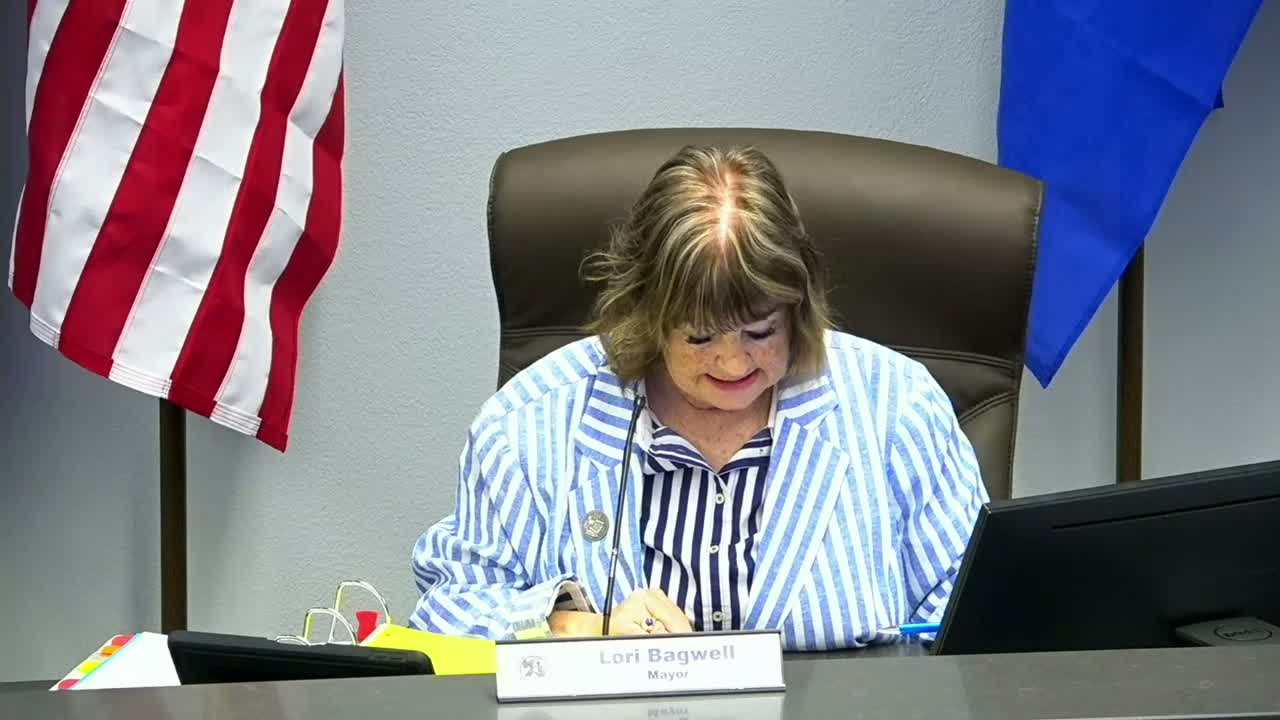
Mayor Bagwell called the March 18 meeting of the Carson City Board of Supervisors to order and the board proceeded to a multi-hour discussion and extensive public comment on item 18A, a proposal to pursue a downtown consolidated City Hall in partnership with the Hop and Mae Adams Foundation. After staff presented options and financing scenarios, the board voted 4–1 to direct the city manager to pursue due diligence and negotiations.
City Manager Glenn Martel told the board the proposal is a continuation of previous direction to examine a downtown, public–private approach and stressed that any work would comply with Nevada law, including prevailing‑wage and competitive‑bidding requirements. "There is no preset deal to sell city hall to Steve Nabors, the Hop and Mae Adams Foundation, or other entity at this time," Martel said, asking the board for authority to carry out preparatory tasks and negotiations.
Deputy City Manager Stephanie Hicks reviewed the project history and options the city has considered over the past five years. Asset Services Manager Robert Nellis walked the board through a facilities checklist comparing eight options and warned that buying or retrofitting an older building can carry large unknown remediation and retrofit costs. Chief Financial Officer Sherry Russell presented preliminary finance scenarios and described a conservative $36 million construction estimate and potential funding sources — the extraordinary maintenance fund, redevelopment funds and bonds — while stressing those figures were preliminary and would be refined during due diligence. Russell said the proposal includes off‑ramps (prepayment or buyout options) so the city could swap a lease‑option for cheaper bond financing when conditions allow.
The staff presentation established a tight timeline tied to a courthouse renovation: the clerk‑recorder must vacate current space before courthouse work is scheduled to begin in 2027, which constrains how quickly alternatives must be analyzed and decisions made.
Public testimony split along familiar lines. Dozens of residents and community groups urged more transparency, public hearings, and better financial detail before committing public funds. "We're going to pay them back with redevelopment funds, but the general fund is on the hook as I understand it," said resident Mark Costa, who urged rejection of further study. Kathleen Beasley argued the plan risked subverting public resources, enabling noncompetitive projects and enabling conflicts of interest if procurement safeguards are not enforced.
Business and development interests, including Jeff Sudich of the Nevada Builders Alliance, urged the city to locate City Hall downtown. "Consolidating city services there means every resident from every part of the city can reach their government in one place," Sudich said, arguing the investment would support downtown revitalization and economic growth. Representatives of local realtors and builders also backed the downtown option, saying new infrastructure would anchor private investment.
Board members pressed staff for concrete benchmarks, stronger bid oversight, and explicit off‑ramp terms. Supervisor Gioia moved to "direct the city manager to proceed with all required preparatory tasks and due diligence and to enter negotiations with the Hop and Mae Adams Foundation or its partners for the design, construction, and eventual purchase of the City Hall in downtown Carson City," and asked staff to return with a detailed agreement that shows funding sources and ensures the building meets city specifications. The motion passed 4–1.
The board did not authorize final agreements or financing at the March 18 meeting; instead the vote gave staff authority to negotiate, vet financing options (including lease‑option and bond scenarios), require competitive bidding procedures during construction, and return with a complete package for board approval. The motion also directed staff to include explicit off‑ramps and procurement oversight in negotiation materials.
The next procedural step is for staff to complete due diligence and bring a recommended agreement back to the board with detailed financing terms, bid oversight language and a timeline that meets the courthouse schedule. The board emphasized that any final construction agreement or sale would require subsequent approvals and statutory compliance before the city commits funds or purchases the property.