Get Full Government Meeting Transcripts, Videos, & Alerts Forever!
Get email alerts on the Capital Improvement Plan topic
No spam. Unsubscribe anytime.
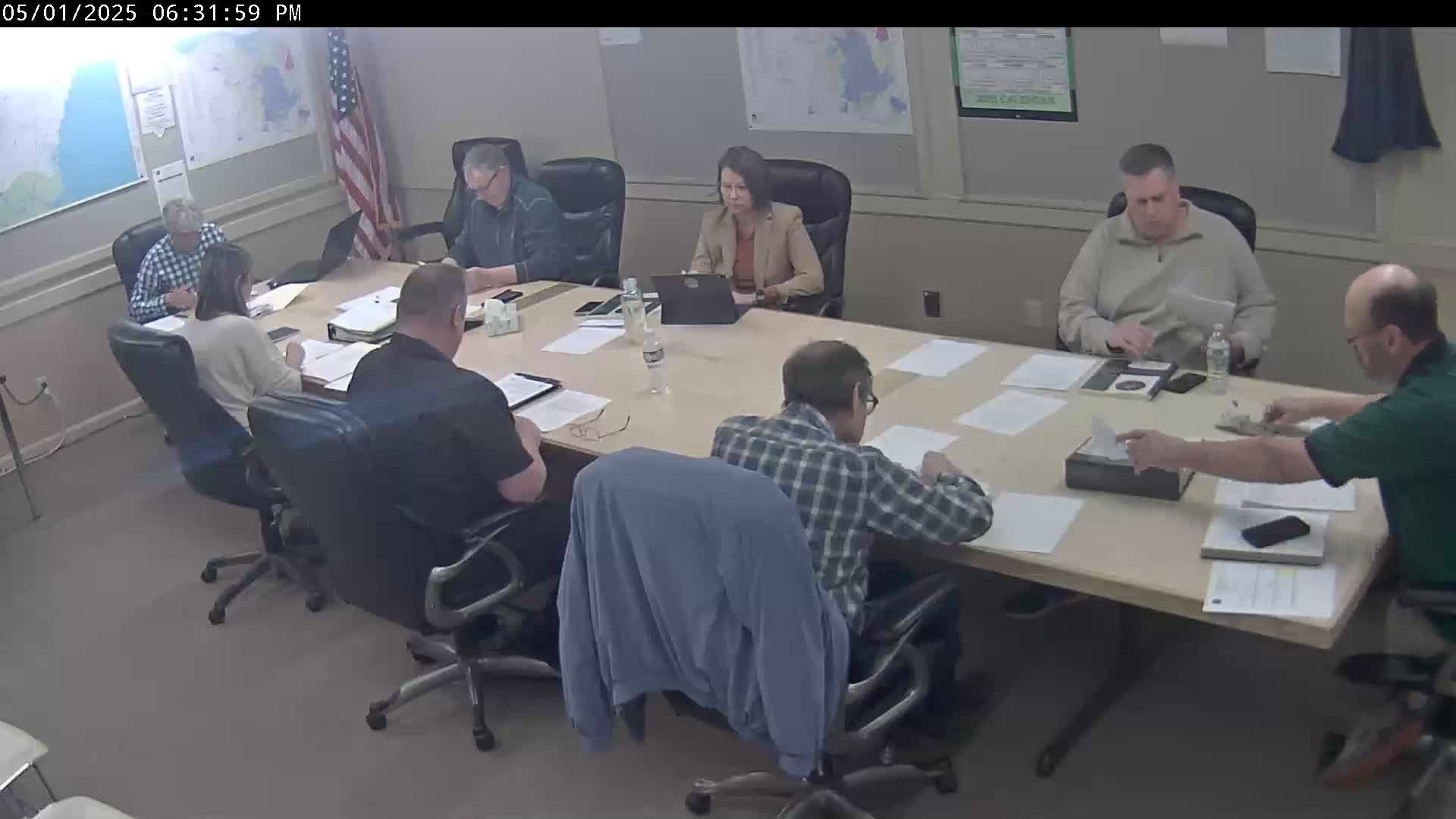
Greenland board begins multiyear CIP with focus on fire apparatus, discusses reserve strategy
Summary
Selectmen opened a first‑step capital improvement plan focused on fire apparatus replacement, heard staff cost estimates and grant prospects, and debated whether to refurbish aging equipment or build reserves to avoid large single‑year tax impacts.
The Greenland Board of Selectmen opened a multi‑year capital improvement plan (CIP) process and directed staff to prioritize fire apparatus so the selectboard and budget committee can see long‑range needs and timing.
At the meeting, a town staff member (voice S2) said Chief Kressa has applied for a grant to replace one aging utility pickup and that a vendor quote for a new pickup is about $53,000. S2 told the board the 2007 Smeal pumper is nearing a typical 20‑year service life and warned replacement costs have risen sharply: "To get the same exact vehicle will be close to $1,000,000," S2 said, noting lead times for new apparatus can be two years or longer.
Board members pressed for clearer planning. "I don't want to be blindsided," said the chair (voice S4), arguing the CIP should create visibility beyond the statutory planning horizon so decisions are informed and tax impacts are smoothed. Multiple members suggested a strategy of extending service life when safe and practical — for example refurbishing pumps or seals — while simultaneously building a reserve fund.
Discussion included specific options and trade‑offs. One member (S6) suggested limited refurbishment — "maybe a $100,000" — to extend an apparatus a few years while beginning dedicated annual contributions into a capital reserve. Other members proposed setting a target annual contribution in the range of $200,000–$400,000 to level the tax impact when major purchases come due.
Staff and members agreed on near‑term next steps: produce a detailed equipment spreadsheet (year purchased, estimated replacement year, rough replacement cost and recommended annual set‑aside), gather outstanding mileage and refurbishment‑cost data, and present a first installment of the CIP to the budget committee. S2 offered to provide the additional vehicle data and refurbishment estimates on request.
There was no formal vote on funding targets at the meeting. Board members asked staff to present refined cost projections and a timetable that shows which purchases can be spaced to avoid simultaneous large expenditures. The board also discussed using recurring grant programs that have historically funded police and fire equipment for smaller items, while acknowledging such grants generally do not cover major apparatus in full.
The board paused the apparatus discussion to schedule facility, police and school CIP reviews in upcoming work sessions and agreed to continue refining the plan before recommending budget actions.