Get AI Briefings, Transcripts & Alerts on Local & National Government Meetings — Forever.
Assembly hears KPBSD budget warning as superintendent outlines roughly $7.8 million shortfall
Summary
Kenai Peninsula Borough School District Superintendent Clayton Hall told the assembly the district faces a preliminary combined state-and-borough funding gap of about $7,809,000, outlining possible program and school reductions and urging collaborative community solutions, while residents urged the borough to consider tax-code changes or funding to the cap.
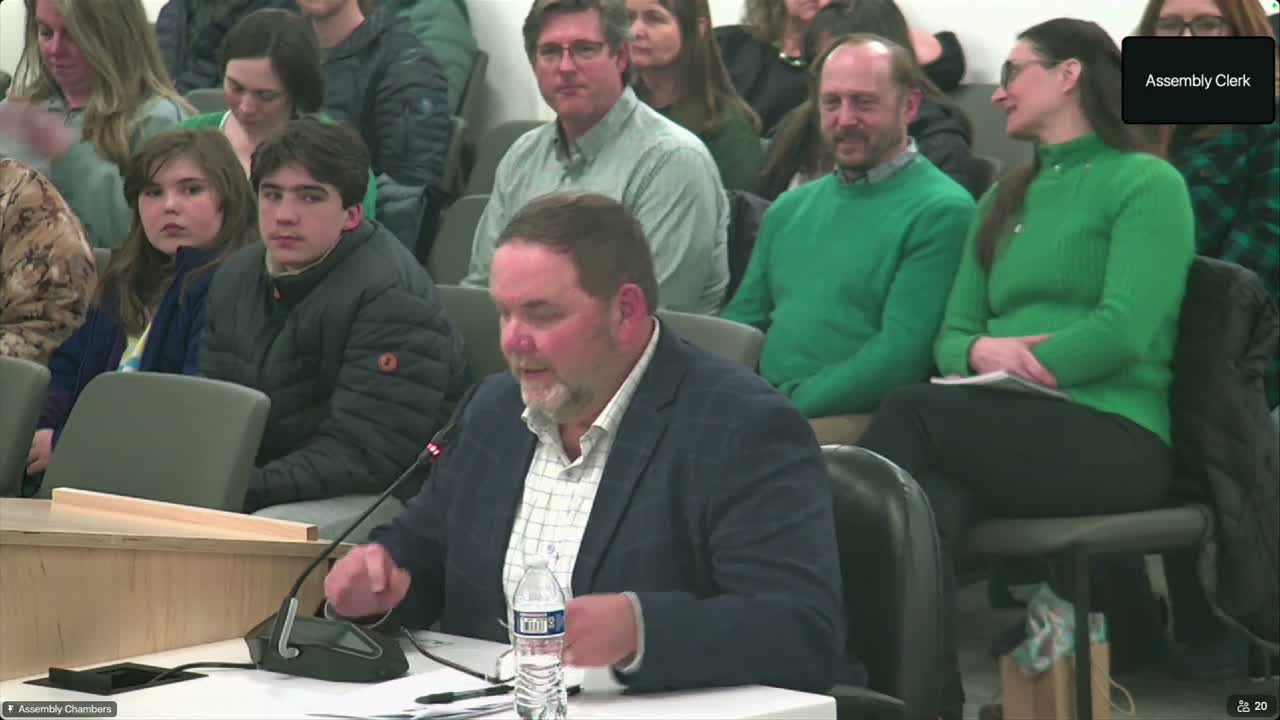
Superintendent Clayton Hall told the Kenai Peninsula Borough Assembly on March 17 that preliminary state and borough funding projections create a district shortfall of roughly $7,809,000 for fiscal planning. Hall said the shortfall stems from changes in enrollment projections and a shift of assessed property value that reduces state aid and shifts costs to the borough, forcing the district to consider program reductions and school consolidations to balance its budget.
The district serves about 8,000 students across roughly 42 schools and nearly 1,200 full‑time employees, Hall said, and highlighted recent academic and extracurricular achievements while warning that without additional revenue the district would have to pursue cuts that could include eliminating distance‑education certified staff and middle‑school reading positions, reducing elective and career‑technical offerings, consolidating or closing small schools, and closing school pools. “That combined projection is a deficit of 7,809,000 roughly,” Hall said in his presentation to the assembly.
Why it matters: Assembly members and residents said the consequences—larger class sizes, fewer electives and supports, and loss of community hubs—would be felt across the borough. Several public speakers urged the assembly to fund the district to the maximum allowable local contribution (the “cap”) and to pursue changes to local tax rules to stabilize school revenue; others warned against an automatic increase in taxpayer burden and urged fiscal restraint.
Assemblymembers pressed Hall on specific services. On pools—seven school pools are at risk of closure—Hall said the district has been talking with municipalities, swim clubs and service areas and that several municipalities are evaluating management or funding options. “Majority of the use of our pools is community use, not school use,” Hall said, urging local governments and community groups to help identify sustainable operating models.
Public commenters described local reliance on pools for swim lessons, emergency training and community programs. Maureen Todd of Soldotna described several school pools’ broad usage, from PE and swim lessons to emergency-services training. Heidi Stokes, principal at Chapman School in Anchor Point, said cuts already lead to larger class sizes and the loss of counselors and librarians at some schools. Several commenters called for an updated audit of the borough assessing department to ensure fair assessments and more reliable local revenue.
The assembly acknowledged the complexity: Mayor Michicky and Assemblymember Dunn discussed state statutory issues that affect school funding, including statutory restrictions related to school closures and assessment timing. Dunn’s committee report had earlier recommended resolutions requesting the state legislature consider amending Alaska Stat. §14.17.410 and holding full-and-true value assessments to FY26 levels for three years to stabilize funding effects.
What’s next: The assembly will continue budget discussions in committee and with the school district in the coming weeks; the district must submit a balanced budget to the borough by May 1, Hall said. Several assemblymembers suggested placing options—such as a sales‑tax cap increase ballot measure—before voters or working with the state on statutory relief.
Quotes (selected):
“That combined projection is a deficit of 7,809,000 roughly,” Superintendent Clayton Hall said, describing the preliminary funding outlook.
“The Kenai Peninsula Borough School District to the full allowable local contribution is the only realistic way to prevent closures like Testimina amid this year’s $8,600,000 shortfall,” said Danielle Chihuly during public comment (paraphrase from speaker Danielle Chihuly’s testimony urging funding to the cap).
“We’ve had conversations to different degrees at different places,” Hall said of municipal talks about keeping pools open, adding that communities must step up to keep facilities operating.
Ending: The assembly took no final vote on district funding at the March 17 meeting. Members said they will continue deliberations in committee and may weigh local revenue options, state advocacy and community partnerships before the borough’s budget decisions are finalized.