Lifetime Citizen Portal Access — AI Briefings, Alerts & Unlimited Follows
Committee advances Padilla bill imposing clinician oversight and disclosure for AI in psychotherapy
Loading...
Summary
SB 903 would require disclosure, affirmative informed consent, and a licensed clinician to supervise any AI used in psychotherapeutic settings; clinicians warned of bias and harm while medical and tech groups urged clarifying amendments to avoid blocking beneficial tools and research.
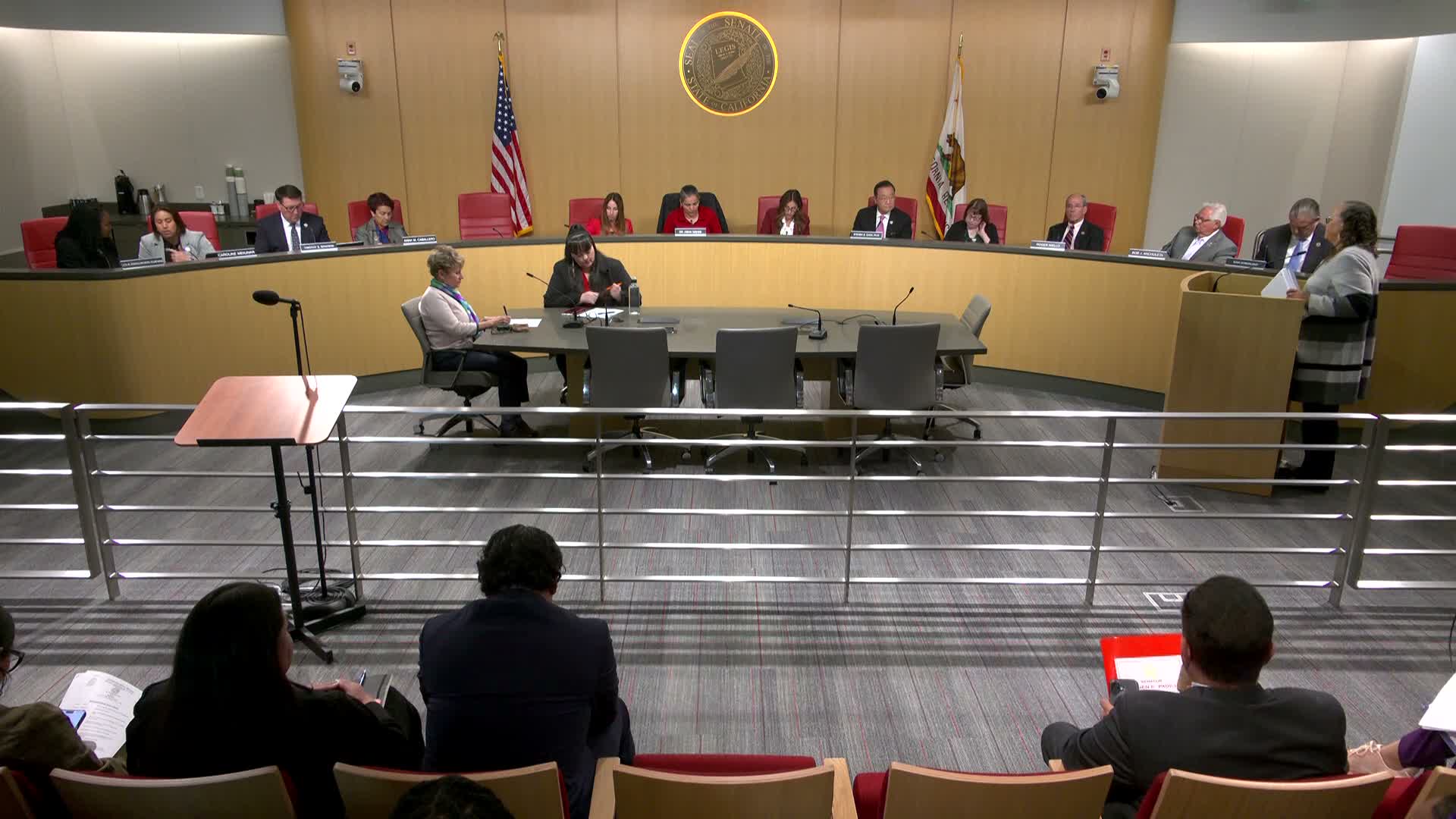
Senator Alex Padilla presented SB 903 to the Business, Professions and Economic Development Committee, describing the bill as a guardrail to ensure artificial intelligence is used responsibly in psychotherapy and clinical mental‑health settings. The measure would require disclosure and affirmative informed consent before AI is deployed in therapeutic care, require a licensed professional to remain in the supervisory loop, and apply existing confidentiality laws to any AI handling psychotherapy records.
Clinicians and professional groups testified in favor. Alana Marcucci Morris, a licensed clinical social worker and co‑sponsor, said empathy and clinical judgment are ‘‘fundamentally human’’ and warned AI systems can produce biased recommendations and inappropriate care. The California Psychological Association supported the bill, emphasizing the need for oversight and to prevent platforms from advertising psychotherapy where a licensed clinician is not involved.
Opponents and ‘‘opposed unless amended’’ witnesses — including physicians and industry groups such as the California Medical Association and TechNet — said several definitions are overly broad and could unintentionally ban useful, evidence‑based tools, prevent FDA‑cleared digital therapeutics from being used and impede research. CMA’s Dr. Karthik Sarma recommended narrowing definitions, protecting FDA‑approved/IRB‑overseen research, and clarifying what constitutes psychotherapeutic communication.
Much of the committee’s questioning focused on whether administrative uses (note‑taking, check‑ins) would be affected, how FDA‑approved products would be treated, and whether the bill would prohibit desired clinical‑support tools. Senator Padilla and panelists said administrative uses and clinician note‑taking are intended to remain permissible with notice and consent; they also said staff would continue working with stakeholders to resolve points about definitions and scope.
After extended discussion, the committee voted to pass SB 903 to the Senate Privacy, Digital Technology and Consumer Protection Committee. The author and opponents agreed to continue negotiations on definitions and permitted research uses.