Get Full Government Meeting Transcripts, Videos, & Alerts Forever!
Get email alerts on the Council Compensation topic
No spam. Unsubscribe anytime.
Fountain Valley council declines to pursue health benefits for current members after debate
Summary
After a presentation from City Attorney Colin Burns on legal limits and comparable cities, Fountain Valley council members signaled insufficient support to restore medical benefits for sitting councilmembers and agreed to table further action for future consideration.
City Attorney Colin Burns presented historical context and legal constraints for restoring health and welfare benefits to Fountain Valley elected officials at the March 3 council meeting, saying council members were eligible for benefits from 1989 until a 2012 policy change during budget shortfalls removed that eligibility. Burns told the council a city may provide benefits to council members but that those benefits should not exceed what the city’s most generous non‑safety employee group receives; he used department heads and a PERS PPO family plan as a benchmark and noted a possible $100,000 life insurance policy as an illustrative limit.
Burns also reviewed comparisons to neighboring Orange County cities and the potential ceiling figure for monthly contributions, and he answered council questions on whether the figures represented maximums or typical contributions. Vice Mayor Harper and other members said they supported developing a best‑practices approach for setting compensation, while others expressed reluctance to increase benefits for the current council, citing the volunteer nature of the position and possible budget implications. Council members also discussed the state general law stipend ceiling mentioned in the presentation and timing concerns about when any change would take effect.
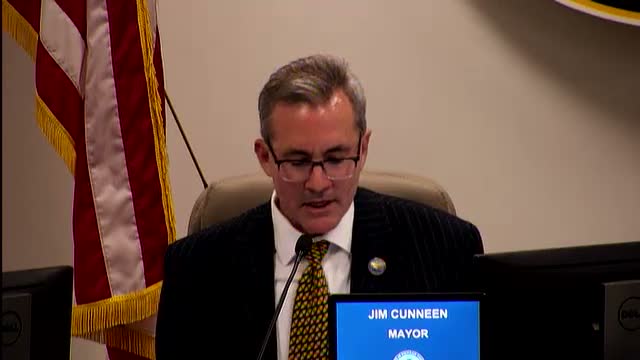
An extended back‑and‑forth among councilmembers clarified that any change would not apply to sitting members until after an election cycle; City Manager Lee noted timing that changes adopted after an election would not take effect until January following certification. With divided views and insufficient support to move forward immediately, the mayor summarized preferences and the council agreed to table the matter for possible future study rather than adopt benefits now. The council did not adopt a motion to restore benefits at the meeting.