Get Full Government Meeting Transcripts, Videos, & Alerts Forever!
Get email alerts on the Probation Outreach topic
No spam. Unsubscribe anytime.
Probation unveils mobile outreach van to serve rural communities
Summary
Shasta County Probation announced a grant-funded mobile probation van that will bring supervision and partner services (behavioral health assessments, referrals) to rural communities on a recurring schedule, with an open house at the vehicle following the board meeting.
The Shasta County Probation Department introduced a mobile probation van on April 7, describing it as a grant-funded outreach tool to reach residents and supervised individuals in rural parts of the county.
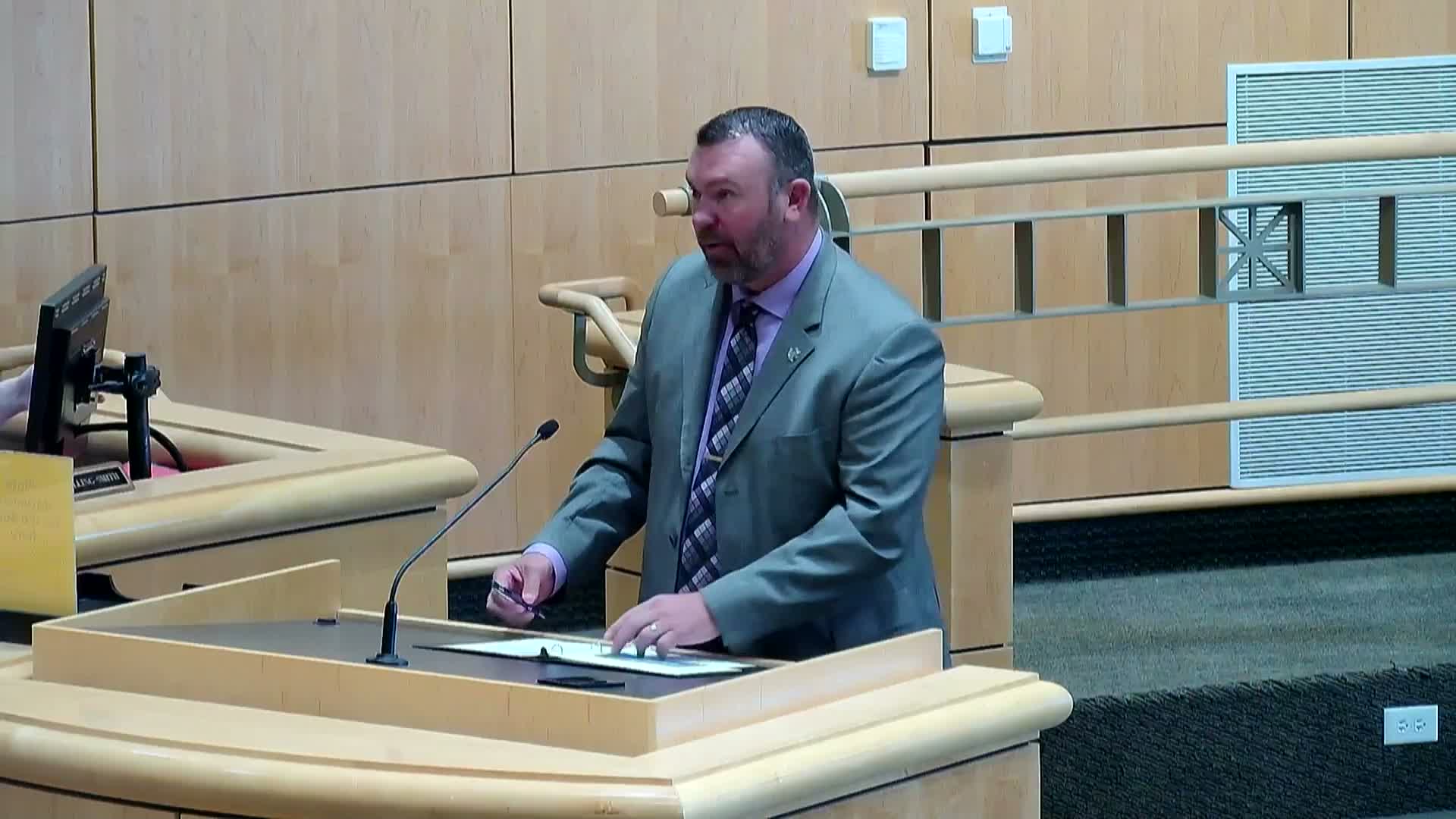
Assistant Chief Probation Officer Eric Jones said the program, developed since 2023, places a dedicated officer in the van to partner with other probation staff and community providers to perform assessments, make substance-use referrals and connect people with services. Jones said 25 counties statewide were awarded similar funds and Shasta is the only northern California county moving forward immediately. The van will operate in designated rural service areas on Tuesdays and Thursdays and will appear at community events on other dates.
Jones invited supervisors and the public to an open house at the van, located northwest of the chambers on Tehama Street, and said the county will adapt the schedule based on where it can provide the most coverage and impact.
Supervisors asked about locations for inland mountain communities and confirmed the program will partner with HHSA and other local providers for behavioral health assessments rather than relying on probation staff alone. A member of the public asked whether the van approach might reduce accountability for supervised individuals; Jones said the goal is to reduce barriers to compliance and to connect people with services who otherwise could not reach them.