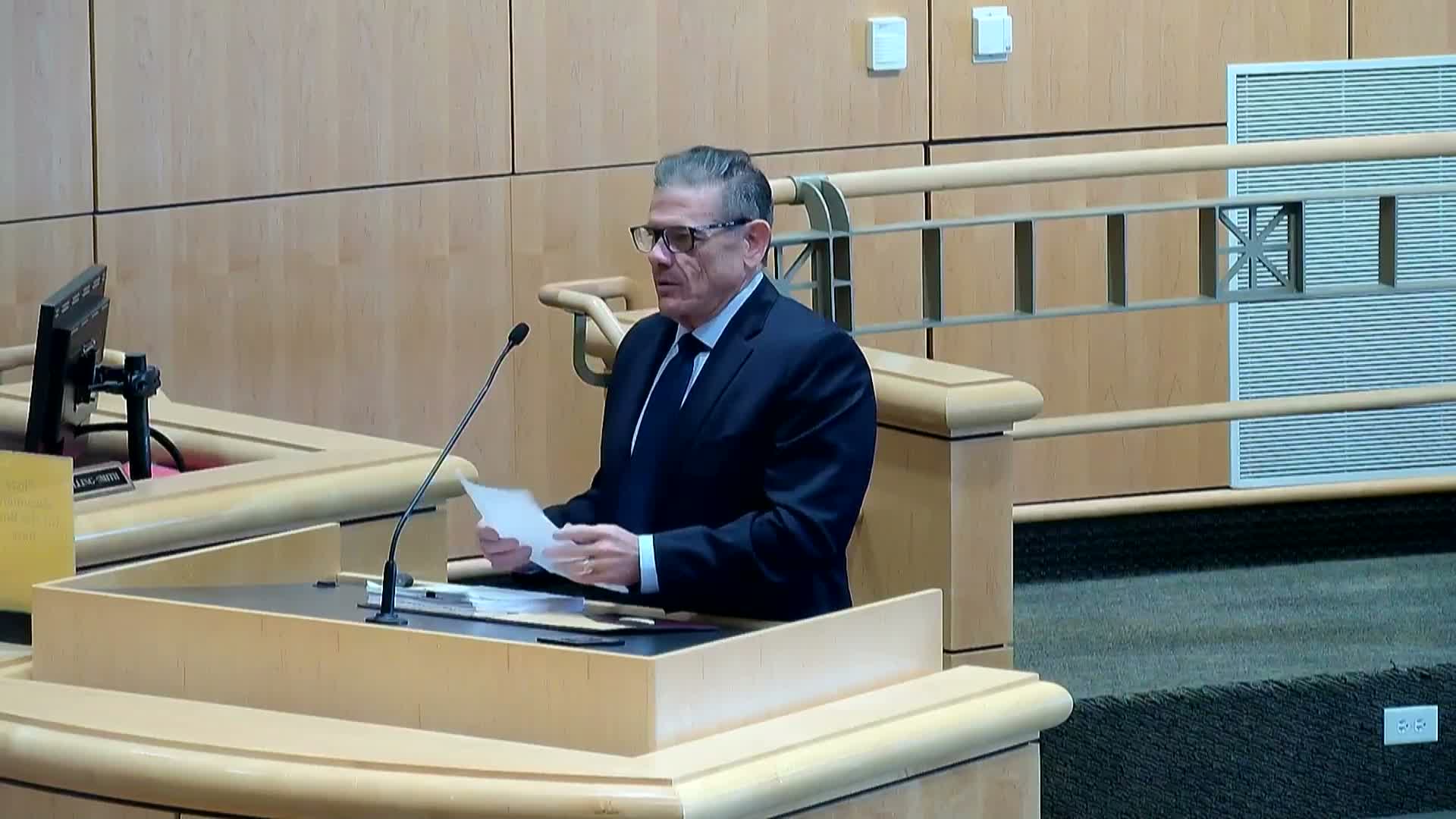
Board tables vote on large Cottonwood sewer fee increase after public objections
Loading...
Summary
The board opened a public hearing on a proposed rise in Cottonwood Sewer’s capital improvement fee from about $6,790 to $28,300 per household equivalent to fund $29 million in capacity upgrades, heard extensive public and supervisor concerns about timing and impact on development and affordability, and voted to bring the matter back for more analysis in July.
The Shasta County Board of Supervisors opened a public hearing April 7 on a proposed increase to the Cottonwood Sewer capital improvement fee that would raise the per-household-equivalent charge from roughly $6,790 to about $28,300.
Public Works Director Troy (as introduced to the board) told supervisors the fee follows a 2022 PACE Engineering study and is intended to fund approximately $29 million in plant and collection-system work needed to add roughly 1,659 household equivalents of capacity. Troy said state regulatory changes and the need to avoid increasing effluent to Cottonwood Creek shaped the engineering options and costs.
The hearing drew concern from residents and several supervisors. Commenters questioned whether affected property owners were properly notified, warned that the jump could render projects economically infeasible, and urged the board to consider phased increases or protections for small builders and families. Supervisors also pressed staff for clarity on how many of the roughly 300 remaining household equivalents on paper were truly available and how many homes have been built in recent years in the CSA 17 boundary.
Supervisor Plummer and Supervisor Long emphasized that without additional capacity the county would effectively impose a moratorium on new connections, while other board members said the timing and magnitude risked killing near-term projects and pricing out small developers. Troy said the fee is intended to ensure the county can fund the required plant expansion in a single project rather than incrementally, and acknowledged CPI adjustments are planned going forward.
After debate the board voted to table the ordinance and related actions and directed staff to return with additional details — including the number of actual single-family homes developed, parcel-level breakdowns, and an updated analysis tying capacity needs to the county’s housing element and projected demand. The board set a return for further consideration in July.