Lifetime Citizen Portal Access — AI Briefings, Alerts & Unlimited Follows
Spokane council debates ordinance to require indoor cooling for renters, members seek clearer enforcement and cost details
Loading...
Summary
Council member Dylan proposed an ordinance to add an indoor cooling standard (bedroom temperatures not to exceed 80°F) to Spokane's habitability code; council discussion focused on enforcement, measurement, exemptions for new construction and potential costs for landlords and tenants.
Council member Dylan proposed an ordinance to add a renters' right to cooling to Spokane's habitability code, setting a maximum indoor bedroom temperature of 80 degrees Fahrenheit and creating complaint‑driven enforcement under existing code. Dylan told the council the measure builds on recent state law and on local work by the Climate Resilience and Sustainability Board.
The ordinance would exempt units permitted after Jan. 1, 2027, and make the city's ordinance effective in 2031, a timeline Dylan said was intended to allow time for implementation and alignment with state rules. Dylan said the measure is agnostic about cooling methods, allowing passive strategies (shade, ventilation, insulation) or mechanical systems such as air‑source heat pumps or portable air conditioners.
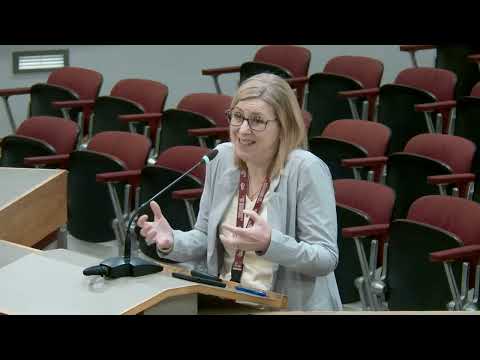
Advocates at the meeting urged local action. "Habitability is not limited to slumlords in this town," Housing Justice Project managing attorney Hannah Swenson said in public comment, describing cases of mold and other unhealthy conditions and arguing that cooling protections should extend to subsidized housing and vulnerable renters.
Council members raised detailed technical and legal questions. One member said the ordinance's 80‑degree threshold and the ordinance language leave unclear whether a single short measurement would trigger enforcement, who would pay energy costs when mechanical cooling is provided, and how tenant behavior (for example, not running a provided unit) would affect compliance. Council discussion referenced student research presented to the Climate Resilience and Sustainability Board showing an increase in excessive‑heat days compared with a decade ago and noted that health impacts are most concerning for people 65 and older.
City legal staff and other council members said they want clearer compliance language, measurement protocols and duties to mitigate on tenants. A council attorney recommended including mitigation duties so courts evaluating private rights of action can consider tenant efforts to keep a unit cool.
Dylan said the measure is complaint‑driven rather than a program of proactive inspections, and the council discussed seeking additional guidance from the regional health officer on appropriate temperature thresholds. Several council members asked staff to return with more specific implementation language in response to a list of technical and legal questions provided by council, including precise measurement windows, evidence standards for complaints and the interaction with existing landlord–tenant law.
The council did not vote on the ordinance at this meeting; members asked staff to provide written answers to legal and operational questions before further consideration. The next procedural step will be to refine implementation details and return to committee or council with proposed amendments and enforcement protocols.