La Palma council adopts teleconferencing disruption policy, directs staff to add two‑way phone participation by August
Loading...
Summary
The La Palma City Council unanimously adopted a disruption-of-service policy to comply with California’s SB 707 and directed staff to provide two-way telephonic public participation beginning with the council’s August meeting; the council also asked staff to return before August with options for adding video conferencing equipment.
The La Palma City Council on April 7 adopted a policy to manage disruptions to telephonic and internet meeting services and directed staff to make two‑way telephonic public participation available beginning with its August council meeting.
City Clerk Norma Alley and City Attorney Ajit Thin summarized requirements in Senate Bill 707, calling it the statute’s most significant Brown Act modernization in decades and noting mandates effective July 1, 2026. Alley said SB 707 requires eligible legislative bodies to “offer two‑way public access for meetings via telephonic or audio‑visual platforms” except in defined exemptions, and the council’s August meeting will be the first to include telephonic participation.
The staff presentation enumerated SB 707’s key elements: remote public access (including a requirement to provide a dial‑in telephonic option), expanded reasons for councilmember remote participation as a reasonable accommodation, new outreach and language‑access steps tied to American Community Survey thresholds, and suggested social‑media rules restricting intermember interaction on agenda items. Alley noted La Palma does not meet the 20% language threshold that would require agenda translation; Korean is the largest non‑English language at about 12.1 percent.
Council members raised operational questions about time limits, queuing and whether callers could donate time to others. Mayor said the presiding officer would have discretion to adjust speaking times based on demand, and the city attorney clarified that the Brown Act already authorizes the presiding officer to warn and remove disruptive participants.
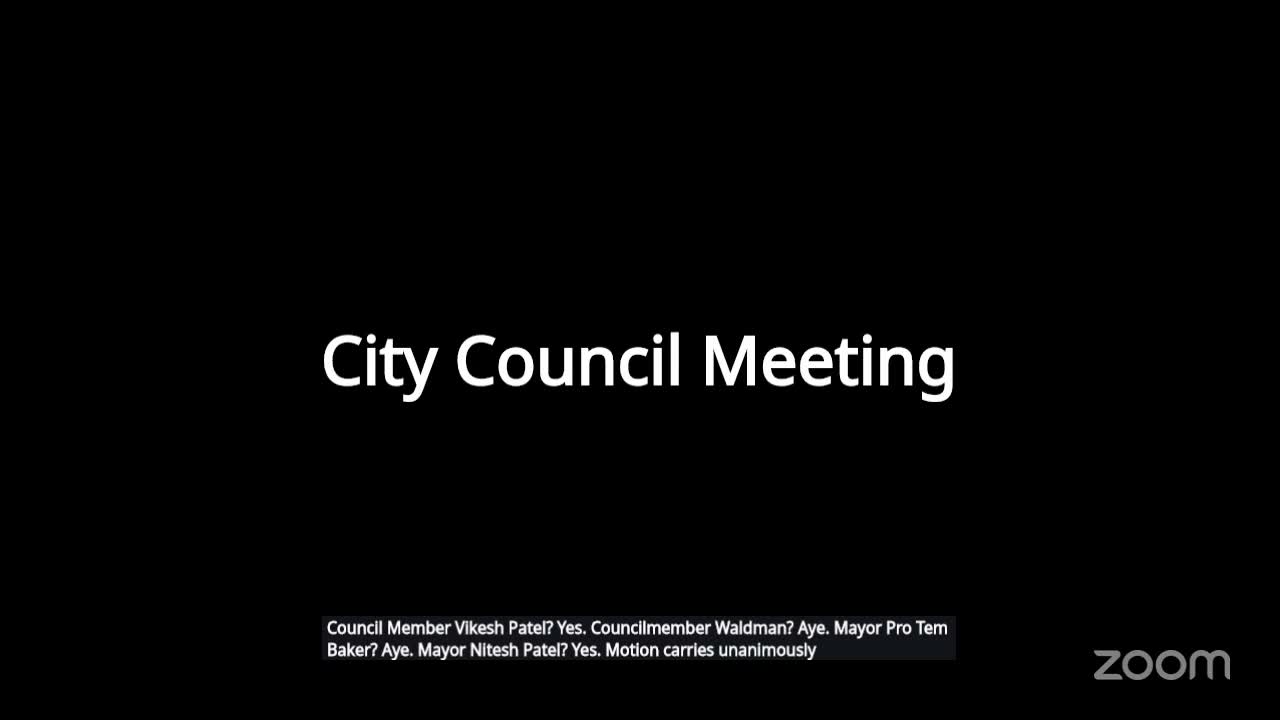
Mayor moved and Mayor Pro Tem Debbie Baker seconded a three‑part motion to: receive the SB 707 update; adopt draft City Council Policy No. 9 (Disruption of Telephonic or Internet Services During Meetings) with the suggested edits; and direct the city manager to return with vendor options and recommendations prior to the August meeting. The motion passed on a unanimous roll‑call vote.
City staff said they will begin offering telephonic two‑way participation at the council’s August meeting and will present options for installing video‑conferencing equipment in Council Chambers at a council meeting before August. The adopted policy specifies that if remote meeting services are disrupted, the council must recess for at least one hour or until service is restored and, if unresolved, must adopt roll‑call findings that good‑faith efforts were made to restore service before continuing.
The council’s action responds to state statutory changes intended to expand remote public access and accessibility for people with caregiving, medical and other qualifying reasons for remote participation. The city will continue to refine procedures, including how to queue remote callers and ensure parity of speaking time between in‑person and remote participants.
Next steps: staff will return with implementation options and vendor proposals for council consideration before the council’s August meeting; telephonic public participation is expected to begin with the council’s August meeting.