Get Full Government Meeting Transcripts, Videos, & Alerts Forever!
Get email alerts on the Public Concerns topic
No spam. Unsubscribe anytime.
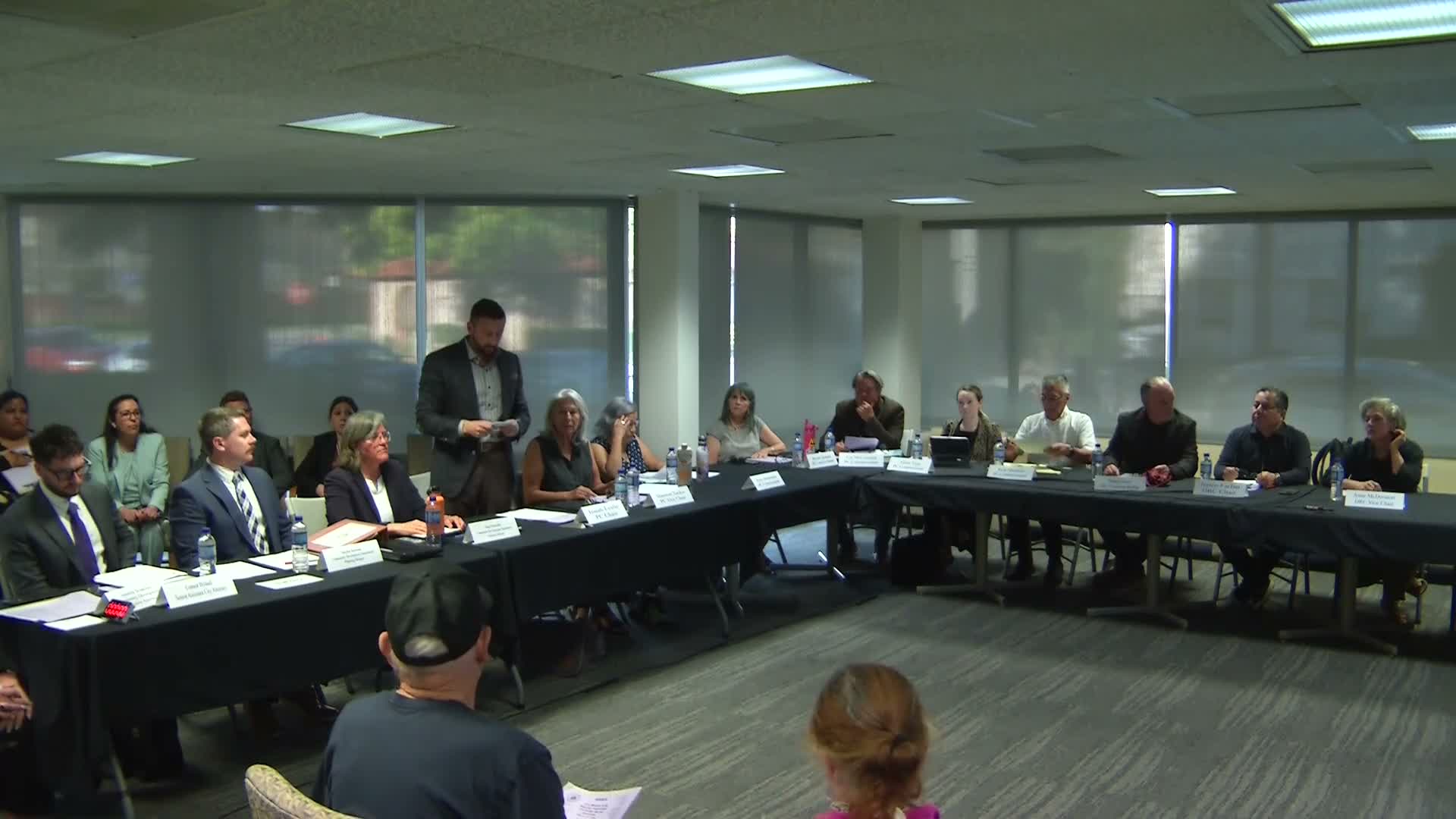
Residents press City of Orange on notice, process and DRC role during preservation study session
Summary
During a March 16 study session residents and commissioners raised concerns about short notice for meetings, burdensome permitting for historic‑district homeowners, removal of projects from Design Review Committee review, inventory completeness, and transparency about review procedures; staff and consultants said the ordinance will aim to address these issues.
Public commenters at the March 16 joint meeting urged the City to improve notice and clarity and to preserve meaningful review for historic resources as staff and consultants described a proposed ordinance.
Paul T. Wells and homeowner Marcia Pellegrino said they had limited information about the study session and wanted clearer outreach. "We're homeowners here in Orange, and that's why we're here," Pellegrino said, noting her household received a notice card but lacked context. Theresa Calvert, speaking for her elderly mother, said late notice and utility outages can prevent homeowners from timely access to information and make repair permitting difficult. "The short notices also seem to be adding to the challenge of trying to find out any information ahead of time," Calvert said.
Several speakers, including John Thorn and Justin, questioned proposals to remove many projects from Design Review Committee (DRC) review and hand them to planning staff. Thorn asked why the City would remove projects from DRC review "rather than just fixing the problem," and Justin asked what additional qualifications planning staff would have to protect historic districts if DRC responsibilities changed.
Commissioners pressed consultants and staff on technical protections and process. Chattel explained the difference between an "inventory" (a survey‑based list of eligible properties) and a formal "register" (properties that have gone through a formal designation process such as the California or National Register). Consultants acknowledged most cities cannot update surveys every five years because of cost and said the ordinance can create demolition‑review safeguards so older properties are evaluated before permits proceed.
Staff confirmed that, at present, when properties outside districts are evaluated they rely heavily on the Secretary of the Interior's Standards. Commissioners also asked how objects or non‑building resources would be treated, whether notice would remain publicly posted on the City website in addition to radius notice, and how a new Historic Preservation Commission might advise City Council and review designation applications.
Residents also pointed to missing or outdated inventory entries; one speaker reported he found several buildings (Irving Gill residences, Valentine residence, Welton Becketts, the Chase Building and Yakushima Building) that he did not see on the city's inventory and asked how the City would handle properties that appear eligible but lack recent survey work. Consultants said property‑by‑property evaluation and updated surveys or a thematic historic context can help address those gaps.
The meeting produced no ordinance language or formal actions; consultants emphasized the upcoming March 25 community workshop as the next opportunity for detailed questions and feedback.