Get Full Government Meeting Transcripts, Videos, & Alerts Forever!
Get email alerts on the Elections topic
No spam. Unsubscribe anytime.
County clerk and elections directors warn of busy 2026 election year; most added costs expected to be reimbursed
Summary
Essex County officials told commissioners they expect 11 elections in 2026, a major rise in vote-by-mail and early voting workload, and a near-term budget increase largely offset by state reimbursements for poll workers and some vendor costs.
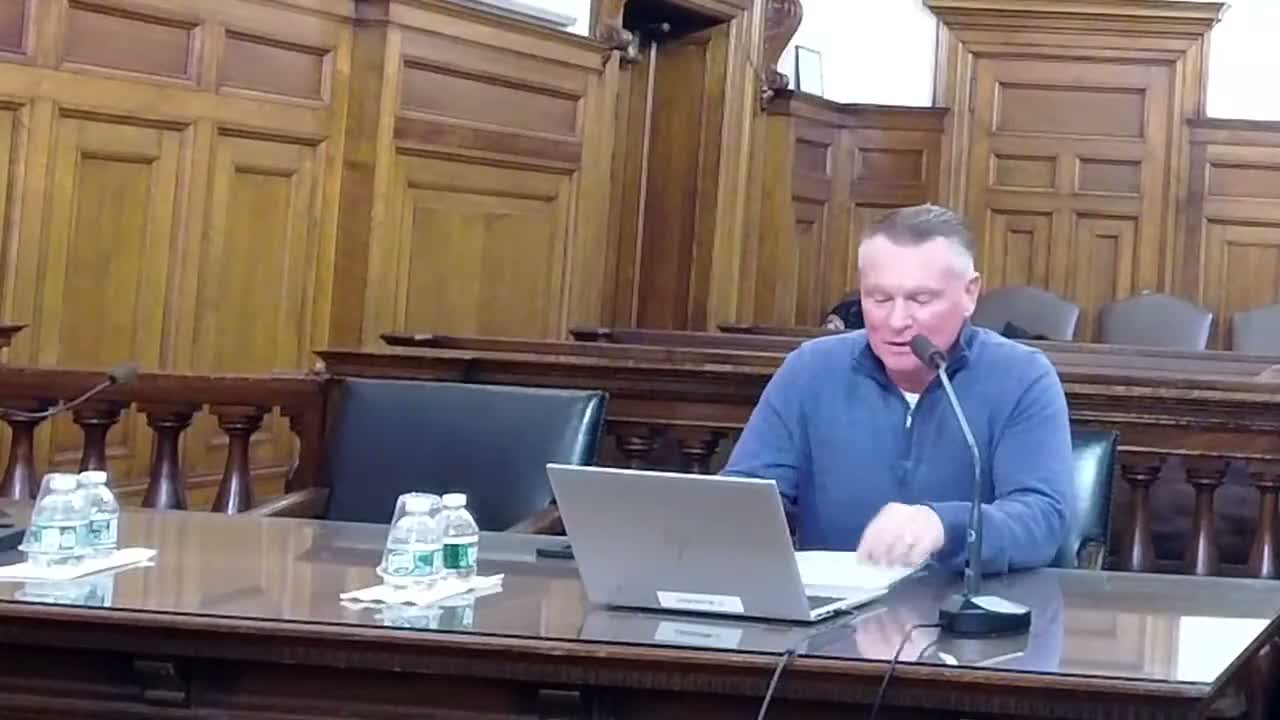
Essex County Clerk Chris Durkin and Board of Elections Director Nicole Lamas told commissioners on Feb. 25 that 2026 will be one of the busiest election years in recent memory, and that the county’s election offices have budgeted accordingly.
Durkin described increased service volume in the clerk’s office (passports, IDs, business registrations) and a dramatic rise in vote-by-mail usage: “In 2017 ... we mailed out about 10,000 vote by mail ballots. This past general election, we mailed out 62,000 ballots.” He said federal changes to passport outreach limit remote passport services, prompting the county to make a park-and-ride a satellite passport access point.
Board of Elections director Nicole Lamas presented line-item increases totaling about $490,293 year-over-year, the largest of which ($302,993) covers additional poll-worker pay driven by 11 elections in 2026 (special congressional primary, municipal primaries and a special school board election). Lamas said the poll-worker line is reimbursable by the state and that she expects full reimbursement for that portion: “For the 302,993, I'm expecting that we will be fully reimbursed.” She also cited increases for rental of polling locations (the county uses roughly 275 sites), vendor support for early voting and additional sheriff coverage (also grant-reimbursable in many cases).
Why it matters: the county faces operational and logistical demands — multiple special elections, nine days of early voting for some contests, and expanded ballot-mailing volumes — with short lead times on ballot printing, staffing and polling-site negotiations. Lamas said site rental rates vary and some owners can set higher fees that the county must pay to secure needed polling places. Commissioners asked about lead time for changing polling locations; Lamas said two to three months is realistic to vet and implement changes safely.
Durkin and Lamas each stressed that large elements of the added cost will be reimbursed or offset; commissioners requested follow-up on exact reimbursement estimates and operational plans but took no formal action.