Budget cuts, vehicle purchases and drone fees spark debate as commissioners trim capital requests
Loading...
Summary
The county’s budget advisory committee recommended cuts that reduce capital reserves and postpone some vehicle purchases; commissioners debated debt financing, lease options and grant matches for EMA equipment, and directed staff to clarify grants and costs before forwarding a budget for public hearing.
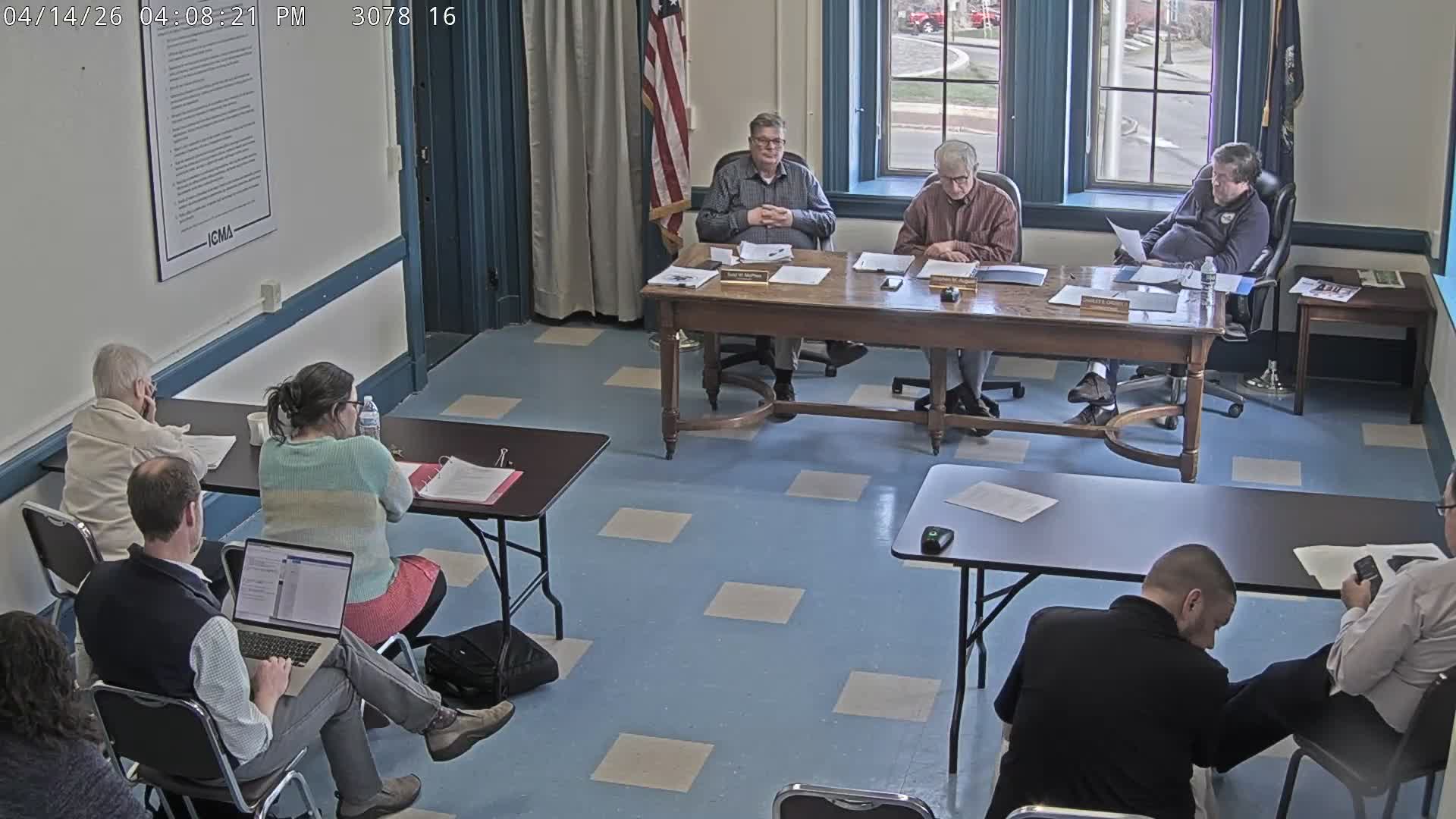
Commissioners spent the bulk of the April 14 meeting examining budget advisory committee recommendations that reduced several capital reserves and deferred or trimmed funding for vehicles, EMA equipment and managed IT services.
County Administrator Jill Flaherty said the advisory group reduced the proposed budget increase from an initial proposal and removed funding for long‑range capital projects to bring the overall increase down to 9.9 percent. "They reduced the budget by $225,500 down to a 9.9% increase," she said, describing the committee’s effort to limit tax impacts.
The sheriff and EMA director pushed back on some reductions. Sheriff Mary noted staffing shortfalls and rising overtime linked to vacancies, and raised concerns about deferred vehicle replacements. "We’re still understaffed currently," she told commissioners, and said overdue cruiser replacements will raise maintenance costs if postponed.
Phil, the county’s emergency management director, described multiple grant opportunities and a collaborative contract for shared emergency‑management software among neighboring counties. He said the county had applied for congressional directed spending and other grants that, if awarded, would require local match and could alter the budget outlook. Phil also explained that an initial drone‑feed implementation cost would be followed by roughly $5,000 per year in software fees.
Some commissioners argued that cutting managed IT services was risky. "Devin was calm, but clearly he felt [managed services] was important," one commissioner said, noting recent system disruptions and cybersecurity concerns. Other members favored smoothing reserves and using grant matches where possible rather than maintaining large long‑term capital accounts.
The board discussed exploring nonbond financing options — lines of credit, lease‑purchases and fleet management programs — to spread capital costs and ease near‑term tax pressure. The chair asked staff to reach out to local financial institutions for preliminary feedback and report back.
No final budget was adopted at the meeting. Commissioners scheduled a vote to forward a budget to the public hearing next week and asked staff to return with clarifications on grant timing, the deputy director vehicle funding and potential out‑year costs for recurring services such as drone feeds and IT managed services.