Floor Leader Pfeiffer says bail-bonds bill modernizes bondsmen rules, not defendants' cash bonds
Loading...
Summary
Senate Bill 378 would raise the capital/underwriting requirements for licensed bail bondsmen, increasing the multiplier used to calculate required capital from 12 to 15; the committee advanced the bill 12–2 after questioning about how the change affects defendants and bondsmen.
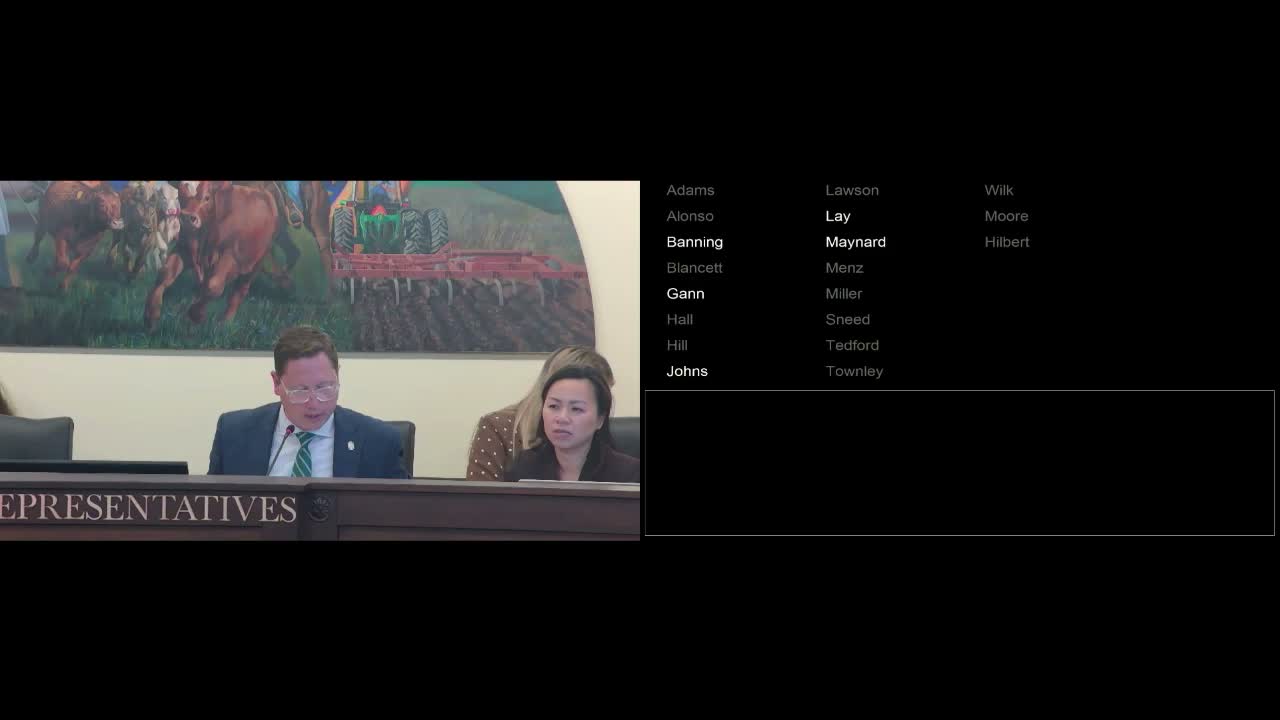
Floor Leader Pfeiffer told the committee Senate Bill 378 is intended to modernize Oklahoma's multi-county bond framework by changing regulatory parameters for licensed bail bondsmen and the insurance department that oversees them. "This isn't 12 times the amount that somebody arrested has to put up to bond out," Pfeiffer said, adding the change affects the capital bondsmen must hold and would increase flexibility so bondsmen can continue to provide services.
Representative Blansett asked for a plain‑language explanation and pressed the sponsor on the bill's scope. "Can you just explain in layman's terms why this is necessary?" Blansett asked, and later raised a concern that the statute appears to allow a 12‑times increase and asked what circumstances would justify that level. Pfeiffer replied that the measure raises the multiplier for the capital bondsmen are required to hold (from 12 up to 15), not the cash bond an arrested person must post, and said the change reduces the chance that bondsmen will be unable to issue bonds for everyday cases.
Pfeiffer described the insurance department as the regulating authority and said current law requires a licensee to be licensed at least two years without suspension and to maintain a minimum net worth; SB 378 would increase those requirements and allow bondsmen greater underwriting capacity. "By making these changes, this will make sure that they're still able to receive ... a bondsman there, so they don't have to put up the full cash amount themselves," Pfeiffer said.
After limited questioning and a final motion for adoption, the committee voted 12–2 to advance the bill out of committee. No amendments or alternatives were adopted during the discussion. The next procedural step is to move the bill to the full House calendar for further consideration.