Lifetime Citizen Portal Access — AI Briefings, Alerts & Unlimited Follows
Select Board approves Seacoast Shores license renewal after weeks of legal dispute and town counsel guidance
Loading...
Summary
The Falmouth Select Board voted to renew the full package of seasonal club and entertainment licenses for Seacoast Shores Association after hearing claims from neighbors about exclusionary practices, deed restrictions and litigation; town counsel said legal challenges largely lie outside the board’s limited criteria for renewal and ABCC retained jurisdiction.
The Select Board voted to approve renewal of Seacoast Shores Association’s suite of licenses, ending a contentious agenda item that drew dozens of speakers and competing legal arguments.
Town counsel Mara O'Keefe opened the matter by describing an unusual procedural history: opponents had appeared at an earlier meeting while the applicant was not present, and the state Alcoholic Beverages Control Commission (ABCC) retained jurisdiction while urging local resolution. O'Keefe told the board its legal review is limited to whether the application meets statutory criteria — public need and want, appropriateness of location, applicant character and the desired density of licenses — and cautioned against resolving unrelated private-law disputes at the dais.
Andrea McCarthy, counsel for Seacoast Shores, urged the board to approve the renewal and described the association's record: “We have had this license for 14 years. It's come up for renewal every year. There's never been an issue with the police, with the fire, with noise complaints, nothing.” McCarthy said the statutory renewal regime (G.L. c.138 §16A) generally mandates renewal when an application is timely and complete and contended that opponents’ filings seeking to nullify the license had been dismissed in superior court.
Representatives of Friends of Seacoast Shores told a different story. Their spokesperson argued the association operates a resort‑style facility in a residential neighborhood, alleged restricted access for some residents and said deed restrictions and the association’s bylaws raise questions about whether a liquor license should be sustained. “This is not a popularity contest. This is something speaking to the rule of law,” the group’s representative said.
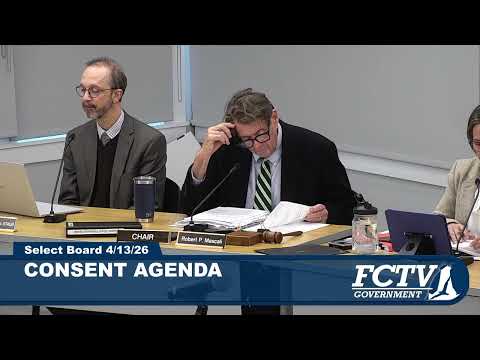
Board members deliberated at length about jurisdictional limits. Several members said many of the neighbors’ legal claims must be decided by courts and regulatory bodies rather than a local licensing vote. After discussion, a board member moved to approve the full package of licenses; the motion received a second and carried on a voice vote.
What happens next: the ABCC still retains procedural jurisdiction in the background and a May 4 hearing remained on the calendar at the time of the meeting. The board’s vote allows Seacoast Shores to continue operating under renewed local authority while any outstanding litigation or appeals proceed through the appropriate channels.