Get Full Government Meeting Transcripts, Videos, & Alerts Forever!
Get email alerts on the Governance topic
No spam. Unsubscribe anytime.
Councilwoman raises privacy and process concerns over proposed agenda changes; city attorney to issue legal opinion
Summary
Councilwoman Clark used a point of personal privilege to dispute public posts that she said mischaracterized a proposed ordinance about agenda procedure, asking the city attorney for a legal opinion on section 30.24 and whether two council members can deny adding items to the agenda; the mayor and council debated timing and transparency before moving on.
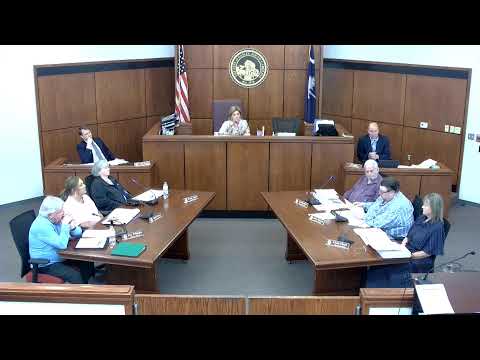
A debate over who controls the city council agenda and how proposed ordinance language was publicly described prompted an extended exchange at the Easly City Council meeting.
Councilwoman Clark took a point of personal privilege to ask the public and council to distinguish facts from characterization after what she described as social-media posts that misrepresented the scope of a proposed ordinance. Clark said the draft addresses five sections within chapter 30 of the code and "does not include section 30.01 and does not propose any change to the form of government," adding that some public statements had claimed the council sought a referendum — a claim she called "simply not true." She asked the city attorney to prepare a legal opinion addressing section 30.24 and whether two council members can deny adding an agenda item.
The mayor responded that council records and emails are public records available through FOIA requests and said prior public discussion had suggested the matter would be on the August agenda; council members disagreed about whether the draft ordinance represented piecemeal governance change or simply clarified rules for agenda preparation. One councilmember described the proposal as establishing "checks and balances" to prevent unilateral control, while Clark and others urged an open process that would allow council members to request agenda items in writing and for public discussion to be visible.
City Attorney (speaker identified in the meeting) told the council he would prepare a written legal opinion addressing the specific code section and the question of agenda veto authority under South Carolina law.
Why it matters: Changes to how a council agenda is prepared or how items are added can affect transparency and public oversight. Council discussion focused on process, the scope of the draft language and the timeline for placing broader governance changes before voters.
Next steps: The city attorney agreed to prepare a legal opinion on section 30.24 for council consideration and the matter was referenced for future agenda planning and possible inclusion in an August agenda discussion.
Representative quote: "When public communication misrepresents the scope of proposed actions, it undermines confidence and creates division where none is necessary," said Councilwoman Clark.
(Transcript: council floor discussion and point-of-personal-privilege remarks; city attorney agreed to provide written legal analysis.)