Get Full Government Meeting Transcripts, Videos, & Alerts Forever!
Get email alerts on the School Infrastructure topic
No spam. Unsubscribe anytime.
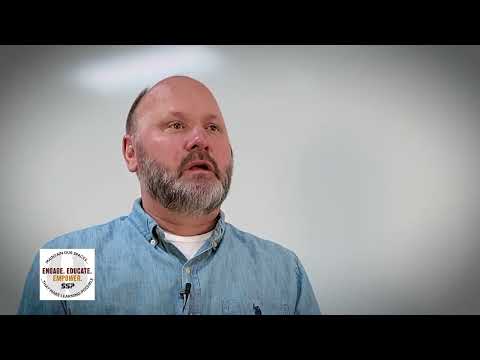
Presenter outlines referendum to replace aging HVAC systems in South St. Paul schools
Summary
A presenter described a planned referendum to replace heating, cooling and ventilation systems across South St. Paul Public School Dist, citing recurring power outages, three-phase power issues from Xcel Energy and costly compressor repairs; if approved, the district would begin planning, bidding and phased construction to limit classroom disruption.
A presenter for the district said the school system plans to replace aging heating, cooling and ventilation equipment to improve energy efficiency and reliability. "We're gonna be updating the systems, for heating, cooling, and ventilation," the presenter said, adding the upgrades will provide "more consistent temperatures and humidity in the classrooms that will enhance the learning environment."
The presenter described repeated equipment and power problems tied to the district's electrical service, saying the district "do[es] have power loss, at the secondary building that happens a couple times a year" and that inconsistent three-phase power from Xcel Energy can damage equipment. "We don't have consistent power coming from from Xcel Energy," the presenter said, and explained that the district receives power "in 3 phases, unlike our homes where we receive it in 1 phase."
Officials warned repair costs are high when equipment fails. The presenter said a compressor for an air-conditioning unit can be "upwards of $10,000" and that outages risk damaging motors and compressors when systems are restarted. For that reason, the presenter argued, "It's more cost effective to to replace the units before they fail."
The presenter listed three benefits of proactive replacement: preventing unexpected failures that disrupt classrooms, enabling competitive bidding for the work, and allowing staff to research and select the best products for the systems. "If this referendum is approved, we hit the ground running with a planning and design, with community involvement, student involvement, staff involvement," the presenter said, describing a sequence that would lead from design to bidding, construction and final commissioning.
To limit classroom disruption, the presenter said much of the work would be scheduled after hours, before school, over breaks and in the summer, though some phased construction during the school year is expected. The presenter added the district would use secured barriers, controlled contractor access and safe routes for arrivals and dismissals to prioritize student and staff safety.
No vote or final action was recorded in the presentation; the presenter described steps that would follow only if the referendum is approved.