Get Full Government Meeting Transcripts, Videos, & Alerts Forever!
Get email alerts on the Physician Licensure topic
No spam. Unsubscribe anytime.
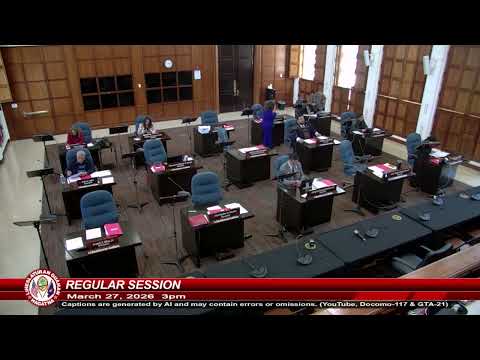
Guam Legislature passes bill expanding licensure pathways for internationally trained physicians after floor debate
Summary
After a floor fight over whether to pause for a public hearing, the Guam Legislature approved substitute Bill 206 to expand licensure routes for foreign medical graduates, including a limited licensure pathway for government facilities and codifying participation in the Conrad 30 physician waiver program (vote: 10–5).
The Guam Legislature on the floor approved substitute Bill 206, a measure to expand licensure pathways for internationally trained physicians and to codify Guam’s participation in the Conrad 30 J-1 physician waiver program, after a contentious debate over whether to pause for additional public review.
Senator Sabrina Salas Matanani, chair of the Committee on Health and Veterans Affairs, moved to reconsider the chamber’s prior action on the substitute, saying doctors and other affected medical professionals “haven’t had a real chance to thoroughly review this new version or give input” and proposing a public hearing on April 8 at 8:00 a.m. She said some physicians “only saw this substitute bill for the first time today” and asked the body to allow stakeholders time to testify.
Colleagues split over timing. One senator arguing against delay said the island’s shortage of specialists is urgent and warned that “the longer we delay putting this bill through, other doctors… are being basically wined and dined to come to their state or territory to work there,” urging the legislature to act. Supporters of immediate action said the measure had been vetted in prior hearings and roundtables and that further delay would prolong patients’ waits for care.
A roll-call on the motion to reconsider the earlier action failed (7 yeas, 8 nays). The chamber later took up the substitute as read; by recorded vote the measure was approved, recorded as 10 yeas and 5 nays and is duly passed as substituted.
Clerk-read language shows the bill would add limited licensure pathways for internationally trained physicians to work in government-run health facilities, expand licensure options for foreign medical graduates, and add several new subsections to Guam law to authorize the program and the board rules that will implement it. Supporters described the bill as a step to address a chronic shortage of specialists and to “reverse the brain drain.”
Opponents and the motion to reconsider urged a brief pause for a formal public hearing so physicians and patient advocates could review the merged substitute — which combined the author’s bill with a governor’s office version — and offer testimony. The chair estimated it would take roughly six months after enactment to stand up the program, and asked for a 12-day window to hold a public hearing before the next session vote; supporters of immediate passage said that the process of implementing licensure rules and bringing specialists to Guam would take time even after a vote and that delay would not accelerate patient access.
The measure as passed directs the Guam Board of Medical Examiners to promulgate implementing rules. It also codifies participation in the federal Conrad 30 physician waiver program in the bill text, per the clerk’s reading of the substitute. The transcript identifies the Guam Board of Medical Examiners and the Guam Medical Association as stakeholders mentioned during debate.
Next steps: the bill was recorded as passed and will proceed to whatever enactment steps remain (signature or additional processing per local procedure). The authors and floor sponsors said they expect rulemaking by the Board of Medical Examiners to follow and warned that implementation will take additional administrative steps before physicians arrive to practice.
Sources: Floor debate and roll-call tallies during this session (motion to reconsider failed 7–8; final passage recorded 10–5).