Get AI Briefings, Transcripts & Alerts on Local & National Government Meetings — Forever.
Quorum Court postpones ordinance to move board meeting times after wide debate and public comment
Loading...
Summary
Ordinance 26I17, which would set standard meeting times for ordinance-created county boards to improve public access, drew extensive debate and public comment. Sponsor Justice Rebecca Davis proposed limiting the change to the planning board; after discussion the court voted to postpone the item to the May agenda (12 ayes, 2 nays, 1 absent) to seek legal and financial clarity and to negotiate with the planning board.
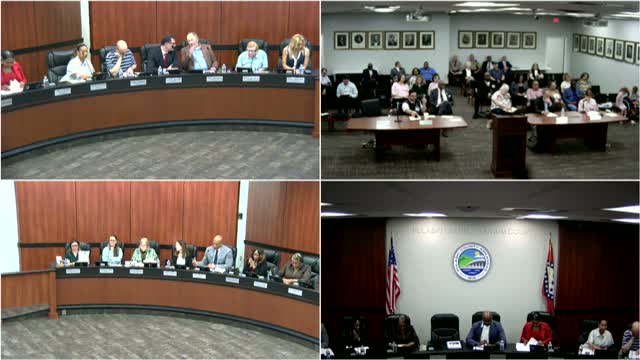
Pulaski County’s Quorum Court paused action on Ordinance 26I17 — a proposal to establish standard meeting times for county boards and commissions to “promote public accessibility and transparency” — after extensive debate and public comment.
Justice Rebecca Davis, the ordinance sponsor, told the court she had received many constituent requests to move planning board meetings from 2:00 p.m. to about 5:30 p.m. so residents who work can attend. “I have asked the planning board for over 4 or 5 months to just please move the meeting… I would love to be there too, and I can’t even get there,” she said. Several residents and community leaders supported the change in public comment, arguing evening meetings improve civic participation.
Planning Board Chair Mark Wilson and other planning representatives cautioned that most planning items are procedural and that moving the regular meeting time would carry staffing and scheduling costs for county planning staff. “If the meeting time has been the same in the afternoon since 1948, you could say it's time for a change,” Wilson said, but he also noted after-hours meetings require additional staff hours and added cost. He and several justices said special after-hours meetings for controversial or countywide issues are already used.
The court debated whether the ordinance could legally be crafted to affect a single board or whether it must apply to all ordinance-created boards; legal counsel told the court there is no clear precedent. Justice Davis offered a verbal amendment to limit the change to the planning board and then moved to postpone the ordinance so staff can draft written language, collect legal advice, estimate fiscal impacts and pursue a discussion between the sponsor and the planning board.
The court voted to postpone 26I17 to the May 2026 agenda; roll call recorded 12 ayes, 2 nays and 1 absent. The delay was requested to resolve open legal questions, quantify staffing costs, and allow the sponsor and the planning board to seek compromise language.