East Hampton board backs pursuing Nitrogen Smart Communities certification to tackle nitrogen pollution
Loading...
Summary
Town staff proposed joining a DEC/Long Island Regional Planning Council pilot to certify municipal actions reducing nitrogen pollution; board members supported advancing a resolution to adopt the pledge and form an advisory task force.
East Hampton town staff told the board on Tuesday they will pursue participation in the New York State "Nitrogen Smart Communities" pilot program, a voluntary, tiered initiative that guides municipalities through planning and implementing nitrogen-reduction activities.
"Nitrogen is the leading cause of water quality degradation on Long Island," Melissa McCarron, a principal environmental analyst in the town’s Natural Resources Department, told the board. The five-step program — adopt a municipal pledge, form an advisory task force, inventory local nitrogen sources, develop an implementation plan and execute projects — awards bronze, silver and gold certification based on completed activities.
Town staff said East Hampton is already well-positioned because of existing CPF water-quality work and local monitoring; the program would add a structured inventory and outreach component and provide technical assistance from the Long Island Regional Planning Council and DEC. Rachel Titus, program coordinator with the Long Island Regional Planning Council, said pilot municipalities had used consultant support for loading analyses and that some program partners — including Anchor QEA for pilot communities within the Long Island Sound watershed — provide technical help as available.
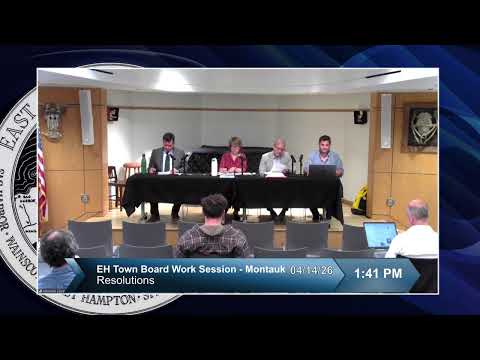
Board members voted informally in the work session to move forward with a resolution to adopt the Nitrogen Smart Communities pledge and to appoint a town coordinator (McCarron volunteered) with the water-quality technical advisory committee to serve as the advisory task force. Officials said CPF water-quality funds could be used toward eligible education and project work and that some existing projects could apply toward gold certification because activity completed in the prior five years can be counted.
The board asked staff to place a formal resolution on the coming meeting agenda for adoption and to return with a proposed task-force structure and initial outreach plan.