Get Full Government Meeting Transcripts, Videos, & Alerts Forever!
Get email alerts on the Capital Projects topic
No spam. Unsubscribe anytime.
Council reviews big-ticket capital requests: voting machines, 911 radios and public works fleet
Summary
During the workshop staff presented $842,000 in new voting-equipment costs, multi-million-dollar radio replacement scenarios for 9-1-1, and a prioritized list of public-works equipment (skid steer, 10-wheel dump trucks, trailers) with a 7–10 year replacement plan to normalize fleet age.
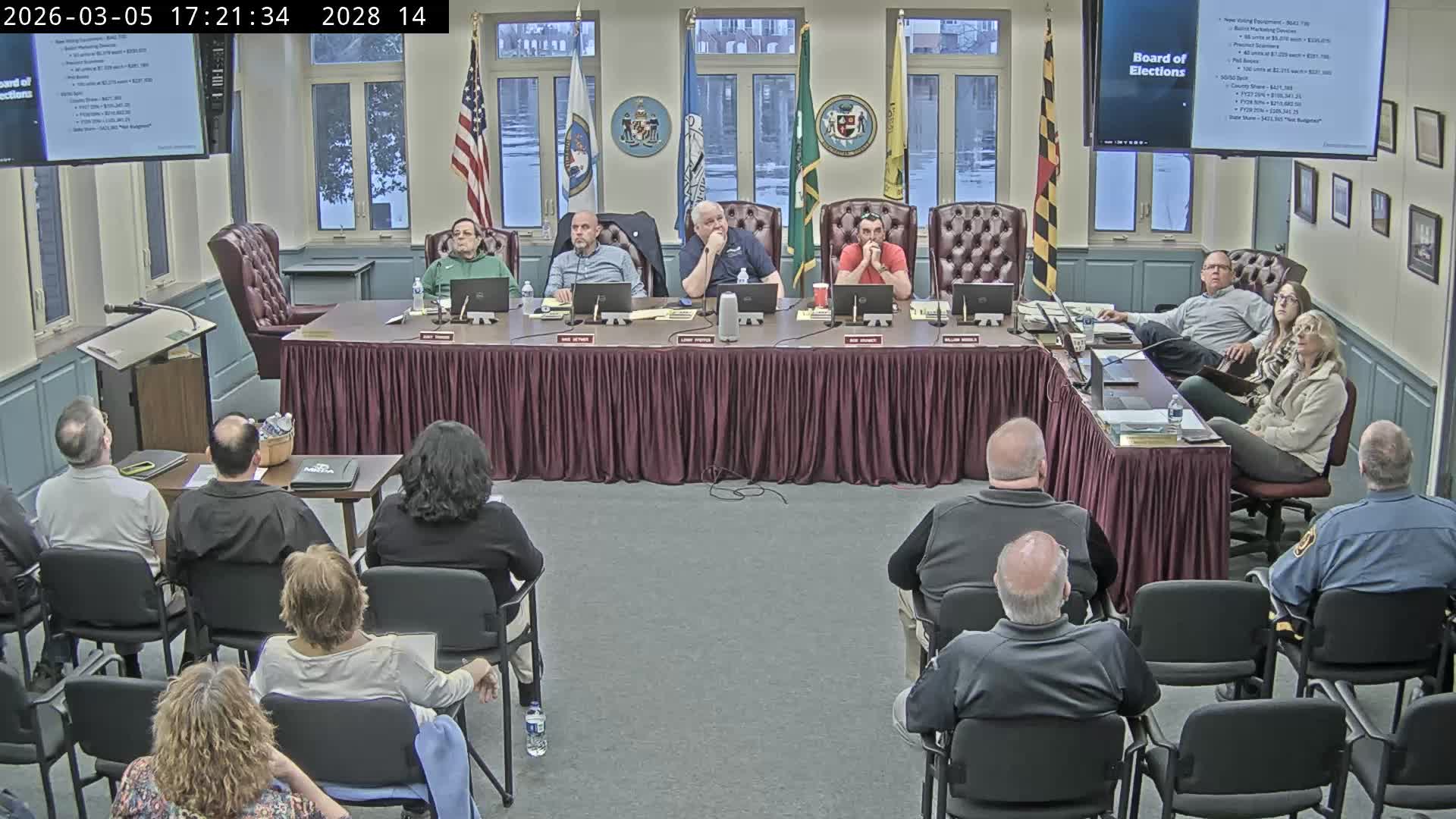
Mister Jones told the council the packet includes a $842,000 price tag for state-recommended voting equipment for Dorchester County and outlined a phased payment plan spanning FY27–FY29, with the county’s share presented as a 50/50 split.
"The new voting equipment for Dorchester County is $842,000," Mister Jones said when introducing the item.
Sergeant Larimer briefed the council on 9-1-1 radio lifecycle concerns and a multi-year replacement proposal. He estimated the full replacement cost in the millions and recommended phasing purchases to avoid absorbing sudden price increases and parts obsolescence. Larimer told the council current radios are roughly eight years old and that some console and paging equipment have defined end-of-life deadlines requiring timely replacement.
The public works director presented a prioritized list of heavy equipment — skid steer, high-flow tractor with attachments, 25-ton trailer, roadside mower and a 10-wheel dump truck — and described a 7–10 year program to rotate and replace aging units, citing lead times of about 90 days for heavy chassis.
Council and staff discussed leasing vs. buying, grant opportunities for monitors and equipment, and the tradeoffs of phased purchases versus single, larger procurements. No formal procurement decisions were made; staff will return with financing scenarios and any grant-match estimates at a future meeting.
Why this matters: replacing election infrastructure and public-safety communications are capital priorities with significant, multi-year budget implications. Fleet and equipment choices will materially affect operations and recurring maintenance costs.