Get Full Government Meeting Transcripts, Videos, & Alerts Forever!
Get email alerts on the Online Safety topic
No spam. Unsubscribe anytime.
Bill to require background checks on dating apps sent to privacy panel after sharp privacy and industry pushback
Summary
Senator Menjivar's online-dating safety bill, which would require platforms to flag or screen users with certain violent offenses, was referred to the Privacy Committee after arguments that mandatory checks risk misidentification, privacy harms and false security for users.
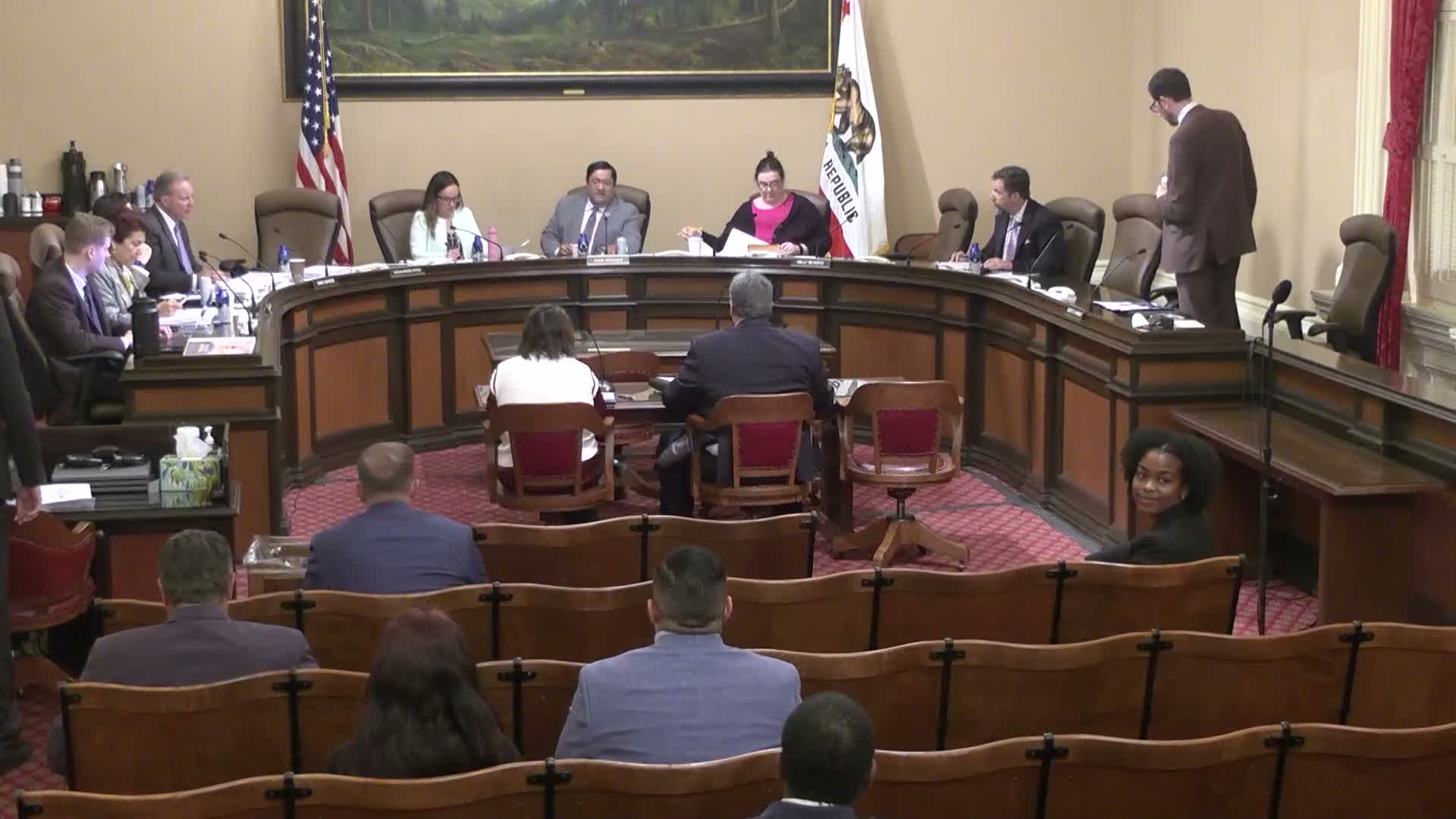
Senate Bill 1390, presented by Senator Menjivar, would require online dating platforms to flag profiles tied to certain serious offenses and establish background-check procedures aimed at protecting users from sexual or violent offenders. The Public Safety Committee voted to send the bill to the Privacy Committee for more work after privacy and tech-industry groups raised concerns.
The author said the bill would "add an additional layer" of safety for users and pointed to studies reporting high rates of harassment and assault associated with dating-app encounters. Dan Filsal of the Crime Victims Alliance testified in support, and Senator Menjivar emphasized the bill is not a panacea but a step toward reducing risks faced, particularly by women.
Industry groups including Internet Works and TechNet opposed the measure as drafted, warning it would require platforms to collect sensitive personal information (full legal names, dates of birth, addresses or SSNs) to avoid misidentification and could create a "scarlet letter" system that may wrongly label people. TechNet's Jose Torres said inaccurate matching would create reputational harms and privacy hazards.
Committee members expressed sympathy for the author's safety goals but agreed the bill must be refined. Several members asked the author to work with platforms and privacy experts on workable definitions and implementation details; the committee moved SB1390 to the Privacy Committee for amendment and further vetting.
The action preserves the committee's intent to address app safety while acknowledging operational and privacy concerns that must be resolved before a wider legislative advance.