Get Full Government Meeting Transcripts, Videos, & Alerts Forever!
Get email alerts on the Nitrogen Pollution topic
No spam. Unsubscribe anytime.
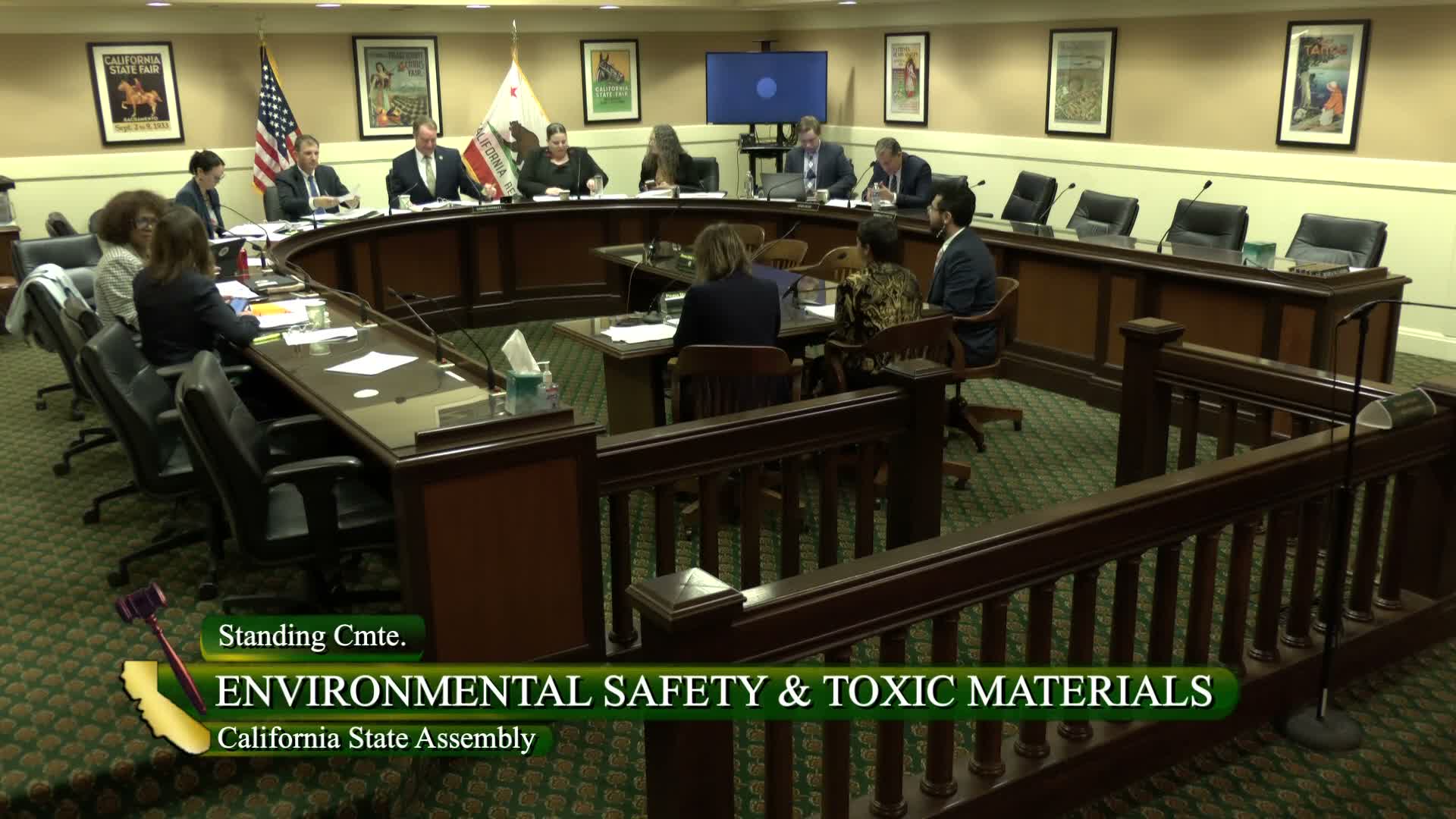
Assembly debate exposes deep divides over Nitrogen Pollution Reduction Act
Summary
AB 2447 would require regional numeric limits and deadlines to curb nitrogen fertilizer runoff; environmental groups urged strong limits and timelines, while broad opposition from agricultural and water agencies warned the goals are infeasible on the bill’s current schedule.
Assemblymember Bauer Kehan presented AB 2447, the Nitrogen Pollution Reduction Act, which would direct state and regional water boards to set regionally appropriate numeric limits on nitrogen fertilizer application and to renew waste discharge requirements with limits by 2028 and ensure compliance milestones by 2030. Supporters argued numeric limits are necessary to protect drinking water and ecosystems; NRDC and the Union of Concerned Scientists said numeric limits drive behavior and cited modeling showing a minority of fields cause the majority of pollution.
Opposition testimony from a broad coalition of agricultural, county and water‑system groups argued the bill’s deadlines and compliance mandate are unrealistic given current agronomic practices, crop constraints and existing regulatory pathways in the State Water Board’s Irrigated Lands Regulatory Program (ILRP). A water‑quality attorney noted the ILRP already contains iterative limits and milestone approaches designed by regional boards; she cautioned that the bill’s current language would require numeric compliance by 2030 without adequate phased implementation.
Committee members pressed the sponsor and experts on timelines, regional flexibility and whether the bill would allow phased compliance. The author said the measure intends to create accountability and deadlines while recognizing regional technical differences; she invited continued collaboration on timelines and implementation pathways.
Committee action: members debated and moved the bill; the hearing record shows substantial opposition and a path forward that will include additional negotiation between the author and stakeholders before further votes.
Why it matters: AB 2447 seeks to accelerate statewide action on long‑standing nitrate contamination in groundwater and surface waters, raising trade‑offs between ambitious environmental outcomes and agricultural feasibility and transition planning.