Lifetime Citizen Portal Access — AI Briefings, Alerts & Unlimited Follows
McCoy Utility District chief explains 150% wastewater rate hike, cites high water loss and push for regional connections
Loading...
Summary
McCoy Utility District’s new general manager told the Bradley County Commission the district implemented a 150% wastewater rate increase after a state comptroller order and a rate study; he cited more than 40%–50% water loss, limited customer counts and plans to pursue regional connections or ARPA-funded plant work to stabilize rates.
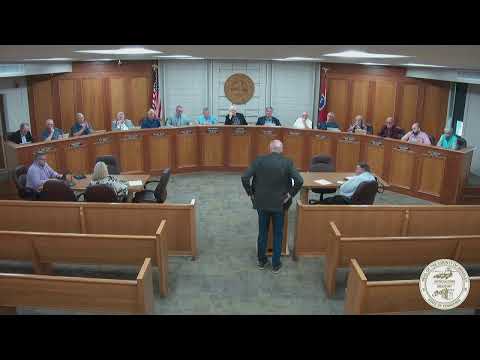
Ben Witt, the newly appointed general manager of the McCoy Utility District, told the Bradley County Commission that the district implemented a 150% wastewater rate increase after direction from the state comptroller and a formal rate study.
Witt said the comptroller’s order required a competent rate study and either implementation of recommended rates or an implementation plan by Dec. 31. “We have actually done the absolute bare minimum of 100% increase. They wanted us to go to 200%…so, we can be responsible with our rates and…we have enough input from our CPA that this 150% increase,” Witt said, adding the district expects to review rates annually with its CPA.
Why it matters: Witt emphasized the district serves a very small customer base, which drives per-customer costs. He cited customer counts in the low hundreds (the district’s service area was described as roughly 93–131 connections in the affected area) and said the district has had months with very high water loss—“our last month’s was 48% water loss,” he said—creating revenue shortfalls and an urgent need for infrastructure repairs.
Witt described two paths to long-term stability: build local treatment capacity or connect regionally to a neighboring utility such as Benton Water Works or Cleveland Utilities. He noted about $3 million in ARPA funds could be available for a plant but cautioned that a new plant’s depreciation and capacity limits (he said an ARPA-funded plant would add about 300,000 gallons of capacity) affect whether building now is cost-effective. “That’s why we’re looking for viable options with our neighbors, because…regionalization,” he said.
Customer relief and protections: Commissioners pressed Witt on how the increases would be applied and whether they could be phased. Witt said the 150% increase was implemented at once and that the district intends yearly reviews, not quarterly adjustments. He also described customer-assistance measures: office staff can set payment arrangements, there is a leak-adjustment policy (the cap was described as increasing from $2,500 to $5,000 effective May 1), and the district is refining alarm thresholds and meter-reading software to reduce erroneous leak alerts and calls to customers.
Context and next steps: Commissioners asked for ongoing updates and for staff to monitor whether regional connections or development will produce the new customer base the rate study assumes (Witt said the 150% scenario anticipates more than 300–500 new customers over several years under certain growth assumptions). No formal vote or action was taken on rates at the meeting; the presentation was informational and commissioners were armed with the rate study excerpt in the agenda packet for follow-up questions.
The commission thanked Witt for the briefing and asked to be kept informed as engineering studies and negotiations with neighboring utilities proceed.