Lifetime Citizen Portal Access — AI Briefings, Alerts & Unlimited Follows
Legislature advances bill to expand small‑scale composting exemptions; EPA to keep rulemaking authority
Loading...
Summary
Senators advanced bill 141‑38 to broaden permitting exemptions for small‑scale composting (households, farms, schools, community gardens) and accepted amendments that restore Guam EPA rulemaking authority and add a staged effective date (sections 3–4 effective 180 days after enactment).
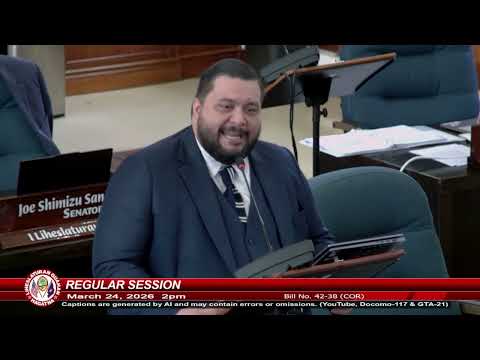
Senator Perri introduced bill 141‑38, which would expand permitting exemptions for small‑scale composting beyond three households to include farms, schools and community gardens. The sponsor said organic waste makes up “about 26% of our total landfill waste” and that composting can divert organics, reduce methane emissions, and produce local fertilizer.
Guam EPA supported maintaining environmental safeguards in the bill, including prohibitions on hazardous wastes and requirements to keep composting operations on‑site with inspection authority. After discussion, senators accepted an amendment that removed a statutory rulemaking provision and left regulatory authority with Guam EPA; later the sponsor proffered an effective‑date amendment so sections 3 and 4 (rule changes) would be effective 180 days after enactment to allow EPA time to complete regulations.
Floor members debated the timeline and whether the 180‑day delay provides sufficient regulatory certainty; one senator proposed making certain statutory sections effective immediately while deferring only regulatory language, and the body adopted an amended effective‑date formulation: the act is effective upon enactment except that sections 3 and 4 are effective 180 days from enactment. Supporters said the bill aligns with the EPA zero‑waste master plan and could increase waste diversion toward targets (50% by 2030, 75% by 2045).
Outcome: the bill as amended was placed on the third‑reading file after bipartisan support and several floor amendments clarifying EPA’s role and the timeline for regulatory changes.