Get Full Government Meeting Transcripts, Videos, & Alerts Forever!
Get email alerts on the Nonprofit Audit topic
No spam. Unsubscribe anytime.
Legislature backs power for public auditor to audit nonprofits receiving more than $200,000 in public funds
Summary
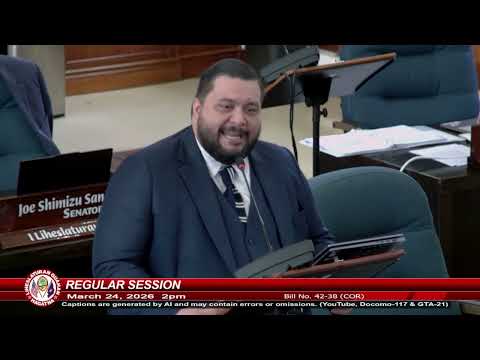
Lawmakers debated bill 65‑38, which would let the Office of Public Accountability audit nonprofit and nongovernmental organizations that receive cumulative government funding above $200,000; supporters said it promotes transparency, while others warned about implementation costs and overlap with federal grant oversight.
Speaker moved bill 65‑38 to third reading and described the measure as a clarification allowing the public auditor to audit nonprofit organizations that receive cumulative public funding in excess of $200,000.
"The public auditor wanted to make sure to ensure that the language is clear relative to those nonprofit organizations...in excess of $200,000 that they may be subject to an audit," the sponsor said, stressing the provision uses "may" rather than an automatic mandate.
Senators on both sides said they support transparency and accountability but pressed practical questions: would audits duplicate federal grant requirements; would the Office of Public Accountability (OPA) need additional appropriations to carry out audits; and how would DOA (Department of Administration) and BBMR factor implementation costs into the government's single audit? One senator noted OPA audit report numbers that documented 1,536 nonprofits on record, with hundreds inactive or revoked, and urged structured procedures and standard oversight.
Supporters argued the threshold balances oversight and burden. Senator Duenas said the measure "puts these good organizations on notice" and allows prioritizing larger, higher‑risk grants without overburdening small providers. Opponents warned about added workload for the OPA and urged clarity on reporting back to the legislature.
Outcome: senators generally voiced support and the bill was placed on the third‑reading file for later action. The floor record shows multiple cosponsors added; no roll‑call vote on final passage was recorded in the transcript.